Mumbai Family of Four Dies After Eating Watermelon Laced With Rat Poison
What investigators found on the fruit changes everything about this case.

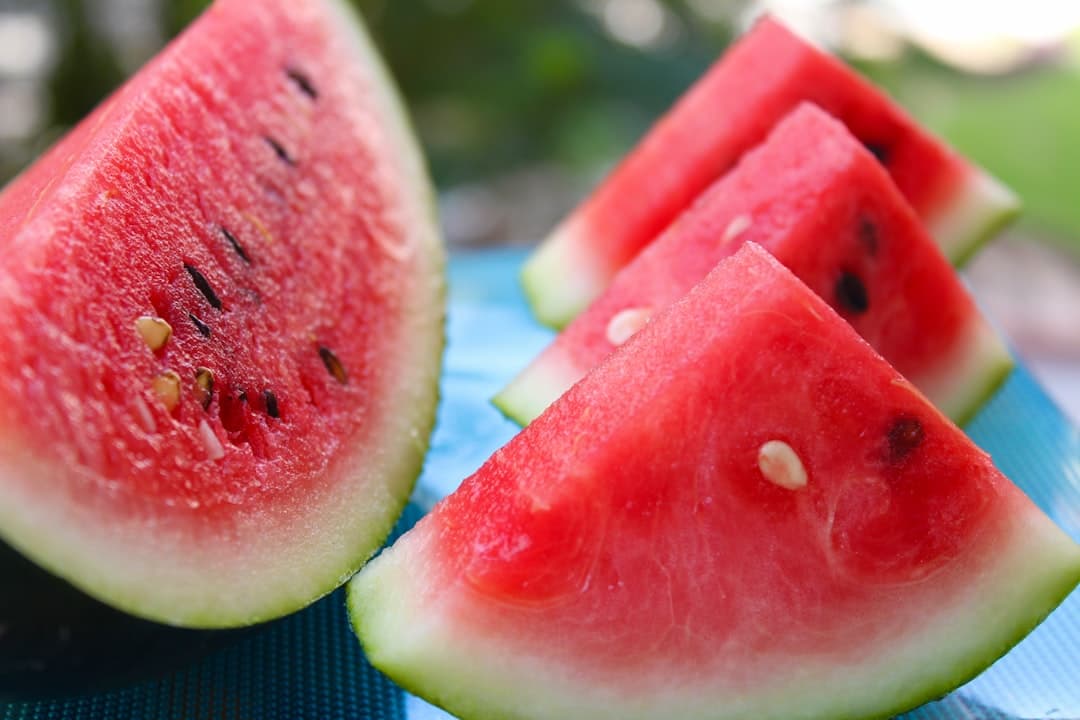
A family of four in Mumbai, India, sat down together one night for a late dinner with relatives, laughing and eating biryani like they had countless times before. Hours later, all four of them were dead. The suspected cause? A watermelon they ate after their guests went home.
The case has gripped India for weeks. It's sparked panic buying reversals, crashed watermelon prices across three states, and left investigators scrambling to answer one question nobody can seem to agree on: was this an accident, a suicide pact, or murder?
What Happened That Night
On the night of April 25, 2026, the Dokadia family hosted nine relatives for dinner at their home in Mumbai's Pydhonie neighborhood, a dense area in south Mumbai. The meal was biryani. According to police, the guests left around 10:30 p.m., and nobody who ate the biryani reported feeling sick afterward.
After the relatives left, only the four family members stayed up. Abdullah Dokadia (listed in various reports as either 40 or 44), his wife Nasreen (35), and their two daughters, Ayesha (16) and Zainab (12 or 13), ate watermelon together around 1 a.m. Nobody else had any.
By 5 a.m., roughly four hours later, all four were violently ill. Vomiting, diarrhea, severe stomach pain, dizziness. They were rushed to a local hospital in a semi-conscious state. The youngest daughter, Zainab, was reportedly declared dead on arrival at around 10:30 that morning. First responders noted she had froth in her mouth. Ayesha and Nasreen died later that afternoon. Abdullah held on the longest, dying around 10:15 p.m. that evening. An entire family, gone in less than 24 hours.
Doctors Immediately Knew Something Was Off
Physicians at Sir JJ Hospital, where three of the four victims died, did not buy the idea that this was ordinary food poisoning. Not for a second. Dr. Sanjay Surase, the medical superintendent, put it plainly: the speed at which the family deteriorated, the severity of their condition, and the fact that all four members were affected simultaneously did not line up with any routine foodborne illness.
A senior doctor involved in the treatment pointed to the rapid neurological decline and loss of consciousness as signs of exposure to something far more potent than spoiled fruit. Even a stale watermelon, doctors said, would not do this. Not this fast. Not to four people at the same time. Something else was on that watermelon.
Forensics Confirmed Rat Poison in the Watermelon and in Their Organs
After weeks of testing, the state-run Forensic Science Laboratory delivered its findings, and they were damning. Zinc phosphide, a chemical compound commonly found in rat poison, was found in the watermelon samples collected from the home. It was also found in the organs of all four victims, specifically in the liver, kidneys, stomach, bile, and spleen.
Meanwhile, the Maharashtra Food and Drug Administration tested every other food item in the house. The biryani, rice, chicken, dates, spices, stored drinking water. None of it was contaminated. The only thing that tested positive for the poison was the watermelon.
Deputy Commissioner of Police Pravin Mundhe confirmed the findings publicly. The case was no longer a mystery of "what killed them." It was now a question of "how did zinc phosphide get onto that watermelon?"
How Zinc Phosphide Actually Kills
For most Americans, zinc phosphide isn't a household name. But it's one of the most common rodenticides used worldwide. Here's what makes it so dangerous: when it hits the acid in your stomach, it reacts and produces phosphine gas. That gas is what does the killing. It crosses into your cells and shuts down their ability to produce energy. Your cells essentially suffocate from the inside out. The heart, lungs, and liver are the primary targets.
Symptoms can show up in as little as 30 minutes to an hour. Vomiting, dizziness, diarrhea, labored breathing, convulsions. And here's a grim detail that makes the Dokadia case even worse: the phosphine gas is released faster when there's already food in the stomach. The family had just eaten a full biryani dinner. That large meal likely accelerated the reaction, making the poison hit even harder and faster than it otherwise would have.
There is no known antidote. Once the phosphine is produced and absorbed, doctors can only offer supportive care. The mortality rate from zinc phosphide poisoning ranges from 37 to 100 percent depending on how much was consumed and how quickly someone gets to a hospital.
Police Think the Poison Was Mixed With Salt
This is where the investigation gets really disturbing. According to police sources, zinc phosphide powder is generally white, odorless, and tasteless. Investigators now believe that someone may have mixed the poison with ordinary table salt and sprinkled it over the watermelon. The family would have tasted nothing unusual. Just salt on fruit, which is a completely normal way to eat watermelon in many parts of India and around the world.
Mumbai Police sent salt samples from the Dokadia home to the forensic lab for additional testing. During their initial search of the residence, investigators found a peppermint-based rat repellent liquid. But they now believe that zinc phosphide powder, sold separately as rat poison, may have been the actual source. Police suspect whoever mixed the poison may have disposed of the original container, leaving behind no direct physical evidence.
That's a chilling detail. It suggests premeditation, or at the very least, cleanup after the fact.
Three Theories, No Answers Yet
The case is still officially registered as an accidental death report. But police are actively investigating three possible scenarios.
The first is accidental contamination. The building where the Dokadias lived had a known rodent problem. Many residents used rat poison, glue pads, and repellents throughout the building. It's possible, though investigators seem increasingly skeptical, that zinc phosphide somehow ended up on the watermelon by accident.
The second theory is suicide. Police have been investigating whether the family was under financial or psychological stress in the period before the deaths. If one family member deliberately mixed the poison into the salt and put it on the watermelon, it could explain why only the four of them ate it and why the container was apparently disposed of.
The third is murder. An outside person could have introduced the poison. Police have questioned dozens of people, including relatives, neighbors, and coworkers. More than 100 statements have been recorded so far. But no suspect has been named, and no arrest has been made.
The Panic Wrecked Watermelon Markets Across India
Before forensic results came back, the public had already made up its mind. Social media posts blaming watermelon itself spread like wildfire across India. Within days, watermelon demand dropped nearly 30 percent. Wholesale prices collapsed to 5 to 7 rupees per kilogram. For context, the normal wholesale range is 10 to 35 rupees, and retail prices typically sit between 30 and 100 rupees per kilogram. Farmers were essentially giving away their crops.
Traders in major markets like Crawford Market reported customers physically returning watermelons they'd already bought. Growers in Maharashtra, Karnataka, and Gujarat expressed serious concern about their livelihoods. Early theories that had nothing to do with the actual forensic findings spread on social media, including claims about banned ripening chemicals, injected artificial dyes, and even morphine. None of those theories held up.
The Maharashtra FDA and multiple doctors publicly reassured consumers that watermelon as a fruit had nothing to do with the deaths. The state food safety commissioner noted that even high pesticide residues on watermelon would not typically be fatal. But by then, the damage to the market was already done.
Why This Story Resonates Beyond India
If you're reading this from the U.S. and thinking "that could never happen here," consider this: zinc phosphide is used as a rodenticide in the United States too. It's available commercially for agricultural pest control. And the mechanism that made it so lethal in this case, the fact that it's white, odorless, tasteless, and easily disguised as salt, isn't specific to any country.
The Dokadia case is a reminder of how quickly an ordinary evening can turn into a nightmare. A family had dinner with their relatives. The guests went home safely. And then a simple late-night snack, watermelon with what they probably thought was salt, killed every single person who ate it.
As of late May 2026, the investigation is ongoing. Police are deepening their probe into whether this was an accident, a deliberate act by someone in the household, or something done by an outsider. More than 100 people have given statements. Forensic results confirmed the poison. But the question of intent, the most important question of all, remains unanswered.
Four people sat together and shared a watermelon in the middle of the night. By the next evening, all four were gone. Somebody knows how the poison got there. The question is whether investigators can prove it.
Most read
This week

Entertainment
Cornell Accuser's Lawyer Rebukes Megyn Kelly Over Appearance Remarks

World
Margaret Papandreou, American-Born Greek First Lady, Dies at 102

Crime
Texas Judge Bars J.R. Smith From Contacting Accuser
Health
Pennsylvania Measles Cases Top 1,000, Largest Outbreak in 30 Years

Crime
Andrew Tanaka Charged With Four Counts of Attempted Murder on I-35