FBI, DHS and TSA Warn Airlines of Al Qaeda Hijack Calls
A memo went out to airlines days before the busiest flying week of the year.

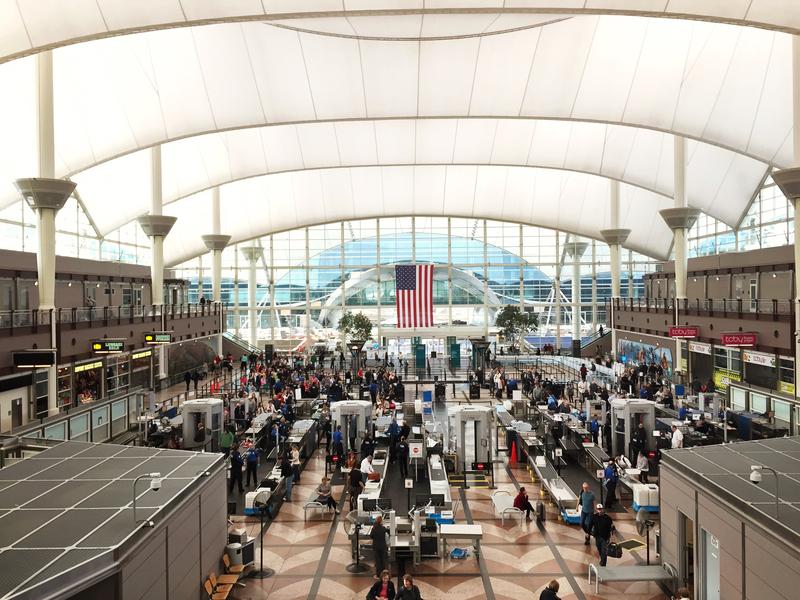
The FBI, the Department of Homeland Security and the Transportation Security Administration sent a joint advisory to U.S. airlines, air cargo carriers and airports on Thursday, Nov. 19, warning that Al Qaeda affiliates and supporters have been putting out messages urging followers to attack commercial planes.
A law enforcement source told CNN, which obtained a copy of the report, that there are no known specific and credible threats underway. The report went to the industry as an informational bulletin, not a public alert, and the government has not announced new screening rules.
The timing is what made it news. AAA expects roughly 6 million people to fly on domestic flights between Nov. 24 and Nov. 30, which covers the heaviest stretch of air travel on the American calendar.
What the Advisory Actually Says
Federal officials told the aviation industry they had identified a run of extremist messages praising an attempted hijacking aboard a flydubai jet in September and calling for similar attacks on American, Israeli and Jewish interests. Several of those messages hold the flydubai attack up as a template for getting around airport security.
The report frames that messaging as a repeat of themes Al Qaeda has pushed for years: exploit access to aviation, slip past security, use commercial aircraft as weapons. Nothing in it is new doctrine. What changed is that the group's supporters now have a recent real-world incident to point at.
Officials also noted a pattern that cuts both ways. People inspired by foreign terrorist organizations historically have not acted directly in response to calls like these. When they do act, they can move fast and with little or no warning. The report added that the continuing fighting in the Middle East could deepen anger toward the United States.
The flydubai Flight Behind the Warning
The attack the messages celebrate happened in September on flydubai flight FZ1073, flying from Dubai to Tel Aviv. The co-pilot allegedly attacked the captain inside the cockpit with the plane's emergency crash axe. During the struggle, the jet dropped more than 14,000 feet in under 30 seconds, according to Flightradar24 data.
The injured pilot fought back and the aircraft landed safely. Everyone on board survived. The UAE's top prosecutor later called it an attempted terrorist act.
Public reporting has not established that Al Qaeda directed the attempt. That distinction matters for reading the advisory correctly: the group is claiming an incident as propaganda, which is not the same as having planned it. Emirati and Israeli authorities treated the episode as an attempted terrorist attack, and the federal report says extremist groups have since folded it into material aimed at recruiting copycats.
Why This One Is About Employees, Not Passengers
Read the list of red flags and the target audience becomes obvious. The agencies asked airport and airline workers to watch for people trying to dodge established security procedures, people asking detailed questions about flight operations or security with no legitimate business reason, and people who insist on handling certain bags themselves.
One more item on the list stands out: missing airline radios, access badges and uniforms. Credentials that vanish without explanation are the sort of thing a security team would want flagged immediately, because they are the shortcut into restricted areas that a passenger screening lane will never catch.
Instead of naming an airport or a flight, the advisory describes behavior and asks that it be reported to law enforcement. It also pushes for tighter coordination among airline staff, airport authorities and federal agencies when something looks off.
Nothing Changes at the Checkpoint
No additional passenger screening requirements have been announced in response to the warning. Travelers follow the same checkpoint procedures they followed before the warning, with the same rules about what can go in a carry-on.
No agency has told the public to avoid flying or alter travel plans. The report names no specific plot, no target and no date.
Individual airports and airlines can still adjust their own security posture based on local assessments. A visible change at one terminal is a local operational call, not evidence that a confirmed threat exists somewhere in the system.
Rifles and K-9 Teams at Houston Hobby
At Houston's Hobby Airport, police K-9 teams and officers carrying rifles were seen near the ticket counters on Friday, Nov. 20, KHOU reported. Check-in moved normally.
Armed officers and explosives-detection dog teams are already a standing part of what airport police departments and the TSA do. If your terminal looks a little heavier on uniforms over Thanksgiving week, the advisory is the likely reason, and it does not mean officials have identified a plot at that airport.
Security work in American aviation is split among several groups. The TSA handles passenger and baggage screening. Airport operators, air carriers and local police cover restricted areas, watch for suspicious activity and respond to emergencies. A bulletin like this one asks all of them to re-read their own procedures at the same time.
Israel Tightened Its Own Screening
Israel responded to the September attack by moving to tighten vetting of foreign airline crews flying into the country. That approach targets the same gap the federal advisory keeps circling back to: the people already cleared to be near the aircraft.
The flydubai jet was bound for Tel Aviv when the attack happened, and the advisory to U.S. carriers ties the propaganda around it to calls for attacks on American, Israeli and Jewish targets.
A Separate Warning for Americans in Europe
U.S. embassies across Europe issued coordinated security alerts in mid-November telling Americans to stay alert at holiday markets, festivals, transportation hubs and other crowded places. Newsweek verified versions published by at least 11 U.S. missions, including London, Berlin, Madrid, Dublin, Lisbon and Sofia. Most were published Nov. 16, while the missions in Lithuania, Ukraine and Russia dated theirs Nov. 13.
The notices describe no confirmed or city-specific plot. "Large gatherings and public events may present a target of opportunity for terrorist groups and criminals," the alert said, adding that terrorists "may attack with little or no warning, targeting tourist locations such as markets, transportation hubs, shopping malls, place of worship, and other public areas."
They also flagged disruption that has nothing to do with terrorism. Strikes and demonstrations have been more frequent in recent months, and in November hoax bomb threats targeted civil aviation in numerous European countries, disrupting flights. A State Department spokesperson told Newsweek the alert was meant to provide general safety and security information for U.S. citizens during the holiday season.
France, Spain, Italy, Germany and the United Kingdom are at Level 2 on the State Department's advisory scale, which tells Americans to exercise increased caution. As of Nov. 16, 24 places carried a Level 4 "Do Not Travel" designation, among them Russia and Ukraine. Americans heading abroad can sign up for the Smart Traveler Enrollment Program, which is free and lets the State Department reach travelers in an emergency.
Flying Over Thanksgiving
Check your flight status directly with the airline before you leave the house. Give yourself extra time at the airport, since roughly 6 million people are expected on domestic flights across the Nov. 24 to Nov. 30 window and some terminals may have a heavier police presence than usual.
If something at the airport looks wrong, tell a TSA officer or an airline employee. That is the same instruction the federal agencies gave to the people who work there.
Bulletins like this go out to the aviation industry on a regular basis, even when no attack has been identified, so that carriers and airports can review procedures and open a line to law enforcement before a problem develops. Federal agencies are still monitoring extremist communications. No airline, airport or flight has been publicly identified as an intended target.
Most read
This week
Crime
Jury Convicts Christian Emmanuel Sanon in Haitian President's Killing

World
148 Sickened Aboard Caribbean Princess, CDC Says

Business
Allstar Recalls 265,000 Sharper Image Fire Pits After Burns
Business
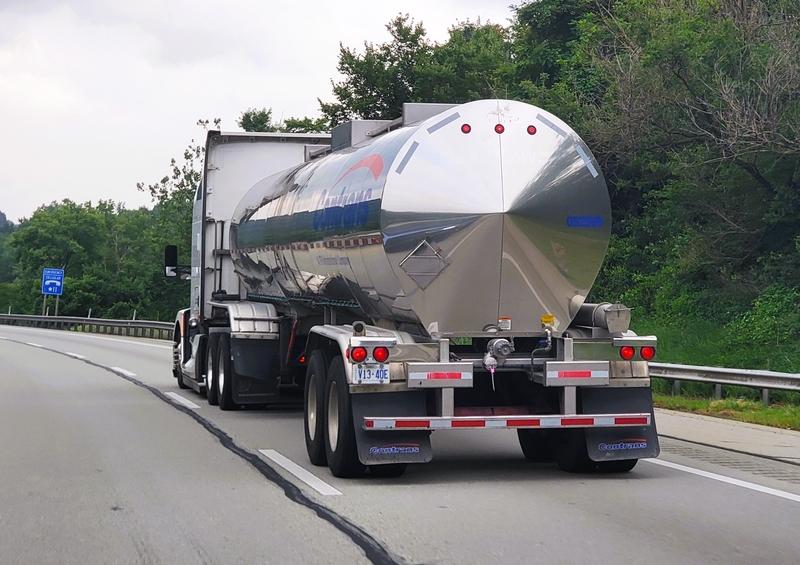
18 Hurt in Missouri Crash Involving Prison Bus and Ethanol Tanker
Entertainment
Larry Poindexter Dies at 66, Days After Being Hit by Car