Portland Just Had the World's Worst Air Quality
The city famous for clean living just topped a list nobody ever wants.

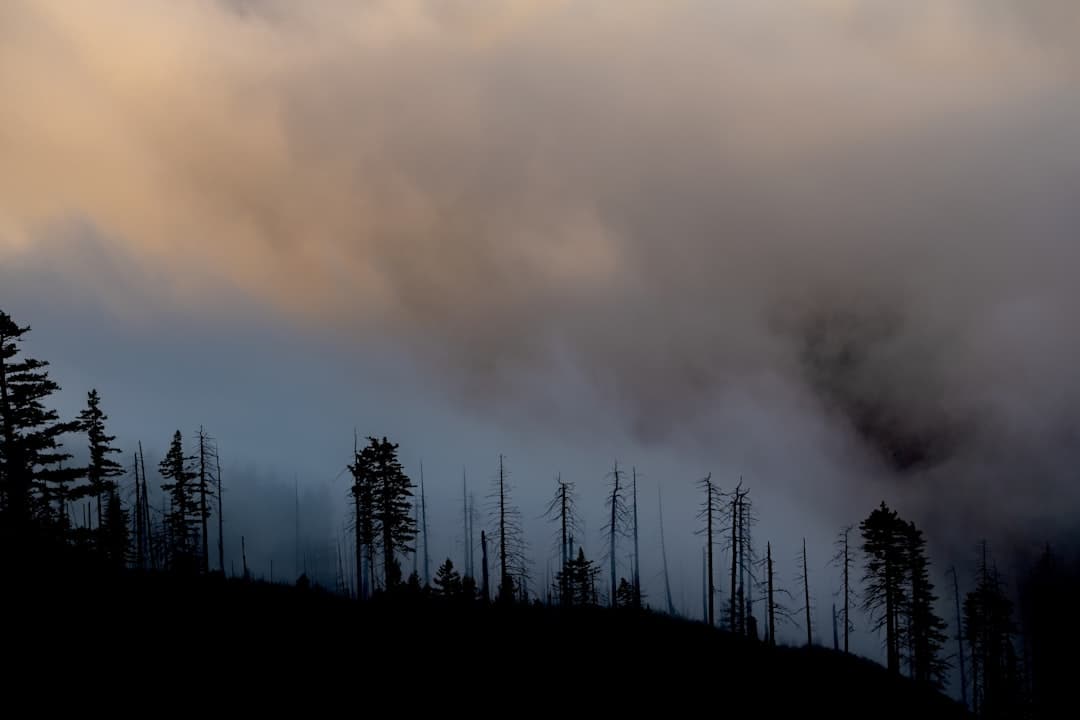
If you had told a Portlander ten years ago that their famously green, bike-commuting, tree-hugging city would one day out-pollute Delhi, they probably would have spit out their pour-over laughing. And yet, on the morning of Wednesday, August 5, 2026, that is exactly what happened. Portland, Oregon, the poster child for clean Pacific Northwest living, sat right at the top of IQAir's global air pollution ranking, ahead of some of the smoggiest cities on the planet.
The culprit was not traffic or factories. It was wildfire smoke, and an enormous amount of it. Oregon just broke its all-time record for acres burned in a single season, with more than 2 million acres torched across the region from roughly 1,200 separate fires. That smoke rolled straight into the Willamette Valley and parked itself over the Rose City like an unwelcome houseguest.
So let's rank the air people were actually breathing that week, from the absolute worst stuff you could inhale all the way down to the cleanest cities on Earth. Consider it a very smoky worst-to-best guide.
8. The Worst: The Mountain Towns Next to the Grasshopper Fire
Before we even get to the headline-grabbing Portland number, understand this: the truly unbreathable air was up in the hills. Near the Grasshopper Fire around Mount Hood, in tiny communities like Welches and Rhododendron, AQI readings shot well over 700. That is not a typo. Anything above 300 is considered hazardous, so 700-plus is off the charts into a category most people never experience.
The Grasshopper Fire had ballooned to more than 43,000 acres with only about 23% containment, and it was threatening the historic Timberline Lodge. Mt. Hood Meadows sat under a Level 3 "Go Now" evacuation order while Government Camp and Timberline were told to "Get Ready." This was ground zero, the place where all the smoke choking the rest of the state was actually being manufactured.
7. Damascus, Clackamas County
Roll downhill toward the metro area and things technically got "better," which tells you how bad things were up top. In Clackamas County, readings ranged from about 153 in Estacada up to roughly 181 in Damascus. An AQI of 181 is squarely in the "unhealthy for everyone" zone, the kind of air where you smell smoke the second you step outside and your car windshield picks up a gritty film.
This is the suburban buffer zone that usually enjoys some of the nicest evenings in Oregon. Instead, residents got a hazy orange sky and a burnt-campfire smell that would not quit. It was a preview of what was about to make Portland world famous for all the wrong reasons.
6. Portland Metro: The World's Worst Major City
Here it is, the number that put Oregon on the international map. As of 8:30 a.m. Wednesday, the Portland metro area registered an average AQI of about 159 to 160, firmly in the "unhealthy" range. IQAir, the Swiss company that tracks roughly 120 major cities worldwide, put Portland right on the front page of its website as the single most polluted major city on the planet that morning.
What makes this genuinely wild is the speed of the climb. Portland was ranked 10th worst on Tuesday and shot all the way to number one by Wednesday. Three things stacked up at once: a record wildfire season burning upwind, a reversal to easterly offshore winds that dragged smoke across the Cascades, and a heat pattern that trapped everything near the ground. Multnomah County even issued a mandatory wood-burning ban, its third "Red Day" in a row that week. Later in the day Portland slid to 5th and then 8th worst globally, but here is the kicker from OPB: the city did not drop because its air improved. It dropped because four other cities got worse. Portland still held the title of worst air in the entire United States.
5. Delhi, India
Now for the reveal that should stop you in your tracks. Delhi is a city that shows up on "most polluted places on Earth" lists basically every year. It battles smog from traffic, industry, and seasonal crop burning so relentlessly that residents budget for air purifiers the way other people budget for groceries. On this particular Wednesday, Delhi posted an AQI in the 154 to 156 range.
And Portland beat it. An American city known for craft beer, food carts, and rainy-day fleece jackets edged out one of the global capitals of chronic air pollution. If you want a single fact that captures how bizarre this event was, that is the one. Delhi normally sets the bar; this time it was runner-up to Oregon.
4. Kuwait City, Kuwait
Right alongside Delhi in the standings sat Kuwait City, clocking in around 153 to 155. Kuwait City lives with dust storms, extreme desert heat, and heavy industry, and its air quality reflects that year-round. It is exactly the kind of place you would expect to see near the top of a worst-air list.
So when KOIN reported that Portland surpassed both Delhi and Kuwait City to claim the top spot, that was not a rounding error. Portland genuinely out-polluted two cities that are practically synonymous with bad air. For a region that sits on the traditionally cleaner, western side of Oregon's mountain divide, that is a humbling place to land.
3. Kinshasa, Democratic Republic of Congo
Depending on which snapshot you looked at, Portland's closest global rival was Kinshasa. Bloomberg framed it perfectly: wildfires meant Portland "edged out Kinshasa" for the world's worst air. Both cities were classified as unhealthy, but the air in the Congolese capital was already improving by Wednesday, which handed Portland the dubious crown.
Here is why that comparison matters. Cities like Kinshasa typically top these rankings because of persistent, structural pollution tied to industrial and agricultural burning. It is chronic. Portland's spike, by contrast, was a sudden, weather-driven event. The fact that a one-off smoke episode could vault a Pacific Northwest city past cities dealing with year-round pollution says everything about the scale of this fire season.
2. Washington, DC
Now we cross over to the good side of the list, and it is a relief just to type these numbers. On the same day Portland was topping the charts, Washington, DC held the honor of being the highest-ranked major U.S. city for air quality, according to Bloomberg's rundown of the IQAir data. In other words, while the West Coast was choking, the East Coast was breathing easy.
It is a strange geographic flip. We tend to picture dense East Coast metros as the polluted ones and the Pacific Northwest as the pristine, evergreen escape. On August 5, 2026, that script got completely rewritten. If you were deciding where to take a walk that morning, DC was the smarter bet by a mile.
1. The Best: Canberra, Oslo, and Stockholm
At the very bottom of the global pollution ranking, which is to say the very top of the air-you-actually-want ranking, sat Canberra, Oslo, and Stockholm. Australia's capital and the Scandinavian heavyweights posted the cleanest air of any major cities IQAir tracked that day.
This is the winner, the air worth booking a flight for. Oslo and Stockholm in particular are the kind of places where crisp, cool, genuinely clean air is a normal Tuesday, not a lucky break. If Portland's 160 AQI was the villain of this story, these cities were the calm, breathable happy ending. The gap between them and Portland that morning was not small; it was the difference between fresh mountain air and standing downwind of a bonfire.
The Good News for Portland
Here is the part Portlanders wanted to hear. Meteorologists said relief was on the way by Friday, when onshore flow was expected to become the dominant weather pattern and finally push the smoke back east. Offshore winds would ease, westerly winds would kick in, and the Rose City would stop headlining the wrong kind of global list.
The catch is that the season is far from over. With roughly two months of fire season left and the most volatile stretch, late-summer wind events and dry lightning, still ahead, officials warned that Oregon breaking its acreage record even further is not just possible, it is likely. Portland may have grabbed the world's worst air quality title for one smoky morning in August, but the conditions that put it there are not going anywhere soon. If you live in the metro area, keep an eye on that AQI number. It moved from 10th place to first in a single day, and it can do it again.
Most read
This week

Entertainment
Michael Douglas Says He Hid Kathleen Turner Affair for 40 Years
Crime
Nathalie Belizaire Charged After 4 Children Found Alone During Cruise
Crime
Two Oxford Vape Clerks Charged in Ole Miss Kratom Investigation

Crime
Sinema's Ex-Bodyguard Arrested Again Over Knife at Phoenix Gun Shop

Entertainment
Judge Grants Restraining Order Against Halle Berry Over Choking Claim