Durbin Demands DOJ Bar Jan. 6 Rioters From $1.776 Billion Fund
The new billion-dollar fund has almost no guardrails on who gets paid.

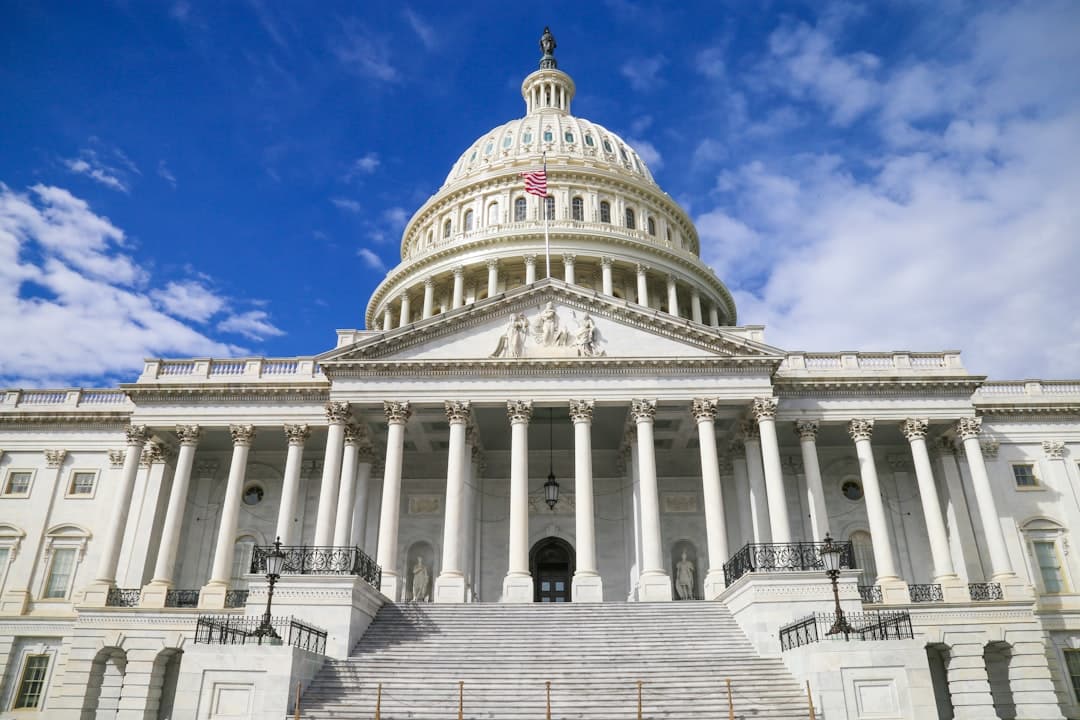
Senator Dick Durbin is furious, and he's putting it in writing. The Illinois Democrat, who serves as the top ranking member on the Senate Judiciary Committee, fired off a formal letter to acting Attorney General Todd Blanche on Wednesday demanding answers about the Trump administration's new $1.776 billion "Anti-Weaponization Fund." His core concern? That the fund could be used to cut checks to people who stormed the U.S. Capitol on January 6, 2021, including those convicted of assaulting police officers.
Durbin didn't mince words. He called the idea of the federal government "doling out compensation to rioters who sought to disrupt the peaceful transfer of power" both "absurd and offensive." And he's not the only one raising alarms. The fund has drawn fire from both sides of the aisle, spawned a lawsuit from Capitol Police officers, and left legal experts scratching their heads over whether any of this is even legal.
Here's what's happening, who's involved, and why this is shaping up to be one of the most contentious political fights of 2026.
What the Anti-Weaponization Fund Actually Is
The fund was announced on May 19 by the Department of Justice as part of a settlement agreement. Trump had filed a $10 billion lawsuit against the IRS over the unauthorized leak of his tax returns. Instead of going to trial, the administration settled the case. Trump, his sons Donald Jr. and Eric, and the Trump Organization received a formal apology but no direct monetary damages. The settlement, however, created this massive new fund from the Judgment Fund, a permanent Treasury appropriation that the government uses to pay legal settlements and judgments.
The stated purpose? To provide a "systematic process to hear and redress claims" from people who say they were unfairly targeted by previous administrations. The DOJ says there are "no partisan requirements" for filing a claim. A five-member commission, appointed by the attorney general, will decide who qualifies for payouts and formal apologies. Processing is supposed to wrap up by December 2028. Any leftover money reverts back to the government.
On paper, that might sound reasonable. In practice, the details are what have people alarmed.
Nobody Will Say Jan. 6 Rioters Are Excluded
This is the part that keeps coming up, and nobody in the administration will give a straight answer. At a Senate Appropriations subcommittee hearing, Blanche was asked directly whether members of the Proud Boys, Oath Keepers, or others convicted of attacking Capitol Police officers could receive payments from the fund. His response: "Anybody in this country can apply."
Vice President JD Vance offered a similarly vague answer during a White House briefing the same day. When pressed on whether people convicted of assaulting law enforcement could be eligible, Vance said the administration would evaluate applications on a "case-by-case basis." He added: "We do have people who are accused of attacking law enforcement officers. That doesn't mean that we're going to completely ignore their claims."
Neither Blanche nor Vance would commit to excluding anyone. The only firm commitment Blanche made? That no member of Trump's family would directly receive a payout.
Durbin's Letter Lays Out Specific Demands
Durbin isn't just complaining. He's demanding receipts. In his letter, he asked the Justice Department to hand over documents, communications, and materials detailing the eligibility requirements for the fund by May 28. Specifically, he wants to know what considerations are being made for people who participated in the January 6 riot.
He also raised questions about potential conflicts of interest tied to Trump dropping his $10 billion lawsuit against the IRS, the very action that led to the fund's creation. Think about that for a second. The president filed a lawsuit against a government agency he controls. His appointed attorney general then settled that lawsuit by creating a $1.776 billion fund that his appointed commission will oversee. Senator Jack Reed put it bluntly at the hearing: "You're his appointee, the IRS are his appointees, he's the plaintiff."
Durbin also listed specific crimes that pardoned Jan. 6 defendants were originally convicted of, and wrote: "To prioritize rewarding these insurrectionists as if they have been victimized while hard-working, honest Americans struggle to make ends meet in this economy of skyrocketing food and gas prices is indefensible."
A DOJ Official Predicted This Months Ago
Here's a detail that makes all of this feel less like a coincidence and more like a plan. Months before the fund was publicly announced, DOJ official Ed Martin was already telling people it was coming. At a breakfast meeting near the White House earlier this year, Martin discussed the upcoming midterms and predicted the DOJ would dole out millions to Jan. 6 defendants. He estimated around $40 million. The actual fund came in at $1.776 billion, far more than even he expected.
In a 2025 interview, Martin didn't hide his feelings: "We should do it, we shouldn't be afraid. You're damn right I want to pay J6ers. If you got wronged by the government, then you should be made right. That's America." After the fund was announced, he praised it publicly. Two lawyers who say they represent more than 400 Jan. 6 participants told reporters they expect their clients to apply through the fund rather than continue with individual lawsuits.
Capitol Police Officers Are Suing to Block the Fund
The backlash isn't just coming from Congress. Two police officers who were on the front lines on January 6 filed a civil lawsuit on Wednesday to block the fund entirely. The plaintiffs are Harry Dunn, a former U.S. Capitol Police officer now running for a congressional seat in Maryland, and Daniel Hodges, an active officer with the Metropolitan Police Department in Washington.
Their lawsuit, filed in U.S. District Court in D.C., names Trump, Blanche, and Treasury Secretary Scott Bessent as defendants. It doesn't pull punches, calling the fund "the most brazen act of presidential corruption this century" and arguing that "no statute authorizes its creation, the settlement on which it is premised is a corrupt sham, and its design violates the Constitution and federal law."
One of their legal arguments is especially interesting. They cite the 14th Amendment, which contains a clause barring the U.S. government from paying debts incurred in rebellion. The officers also argue that the fund "endangers" their lives and safety because it could finance people who have already threatened them. Both officers already face regular threats of violence, and they say the fund makes that worse.
Democrats Are Calling It a Slush Fund. Some Republicans Aren't Thrilled Either.
The Democratic response has been fast and loud. Senate Minority Leader Chuck Schumer called the fund "depraved," posting on social media that "Trump is shaking hands with himself in order to fund his insurrectionist army to the tune of billions." Senator Elizabeth Warren called it "an insane level of corruption." Senator Adam Schiff, who served as a House impeachment manager, said it was "obscene" that Trump "pardoned people involved in the first violent attempt to essentially overthrow a free and fair election" and now wants to pay them.
Representative Jamie Raskin introduced legislation called the No Taxpayer-Funded Settlement Slush Funds Act of 2026, which would ban federal funding for the program and impose new restrictions to prevent taxpayer dollars from going to Jan. 6 rioters, senior government officials, or members of the president's family. Under Raskin's bill, the Treasury Department would have to report all settlement payments above $100,000 to the Judiciary Committee.
But it's not just Democrats. Senate Majority Leader John Thune, a Republican from South Dakota, said he was "not a big fan" of the fund. That's not exactly a fiery condemnation, but coming from the top Republican in the Senate, it's telling.
The Oversight Problem
One of the biggest concerns about this whole setup is who's watching the money. The five-member commission that oversees the fund? Four of those members are appointed directly by acting Attorney General Blanche, who previously served as Trump's personal defense attorney. The fifth member is selected "in consultation with congressional leadership." And the president can remove any member of the panel at any time.
So the fund was created through a lawsuit the president filed against his own government, settled by his own appointee, and will be overseen by a commission his appointee controls, with a removal power that ensures nobody on that panel steps too far out of line. The DOJ's official announcement says the fund "can be audited" at the attorney general's direction and must take steps to "protect private information and avoid fraud." But there's no independent oversight mechanism. No inspector general. No requirement for public disclosure of who receives money or how much.
The DOJ compared the fund to a 2010 Obama-era settlement called the Keepseagle case, which created a $760 million fund to compensate Native American farmers who alleged racial discrimination by the USDA. The administration argues this is the same concept. Critics point out that the Keepseagle case involved documented, widespread discrimination over decades, not a settlement between a president and an agency he personally oversees.
A Treasury Official Resigned Over This
There's one more thread worth pulling. Treasury Department General Counsel Brian Morrissey resigned the same day Treasury was required to certify the payments connected to the fund. When Blanche was asked at the Senate hearing whether that was a coincidence, he said, "I don't know if it's a coincidence." That's not exactly reassuring.
Morrissey's departure has been widely reported as being connected to concerns about the fund's legality. When a senior government lawyer walks out the door rather than sign off on something, that tends to get people's attention.
What Happens Next
Durbin set a May 28 deadline for the Justice Department to provide documents answering his questions. The lawsuit from Capitol Police officers Dunn and Hodges will move through federal court. Raskin's legislation faces steep odds in a Republican-controlled Congress, but it puts members on record. A group of 93 members of Congress have already filed a brief challenging the underlying settlement, and U.S. District Judge Kathleen Williams noted that the DOJ never explained in court why it felt the deal was necessary.
Meanwhile, the DOJ has already settled separate lawsuits with Trump allies including former National Security Adviser Michael Flynn, who received over $1 million in March 2026, and former campaign adviser Carter Page. The fund hasn't even started accepting applications yet, and lawyers representing hundreds of Jan. 6 defendants are already lining up.
Whether this fund survives the legal challenges heading its way is an open question. But Durbin's warning is clear: using taxpayer money to compensate people who attacked the Capitol is a line that shouldn't be crossed. The question now is whether anyone with the power to stop it actually will.
Most read
This week
Entertainment
Jim Bakker, Televangelist Who Went to Prison for Fraud, Dies at 86
Crime
Marine Devin Ballard Arrested in Okinawa Hotel Killing of Anna Yagi
Politics
Dennis Hastert, House Speaker Who Went to Prison, Dies at 84

World
Coast Guard Suspends Search for 6 on Air Ambulance Off Nantucket

Crime
Sky Whatley Charged With Simple Battery Over Onstage Slap