Taylor Farms Recalls 20 Jalapeño Products Sold at Walmart, Target
The tub of guac in your fridge might be on the list.

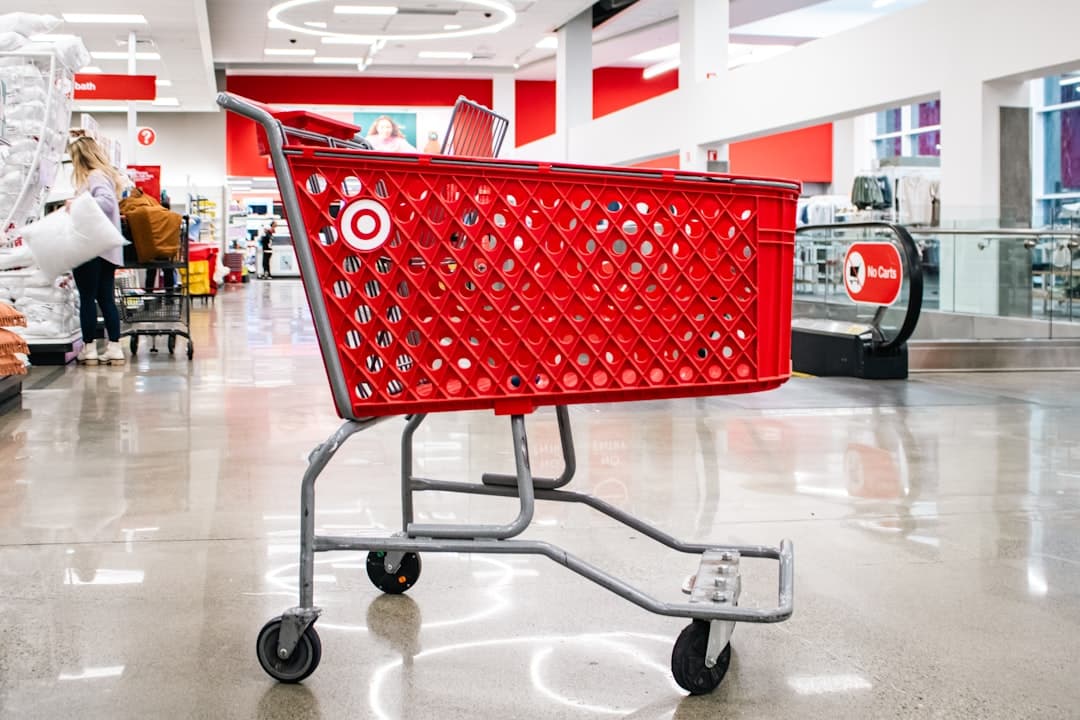
If you grabbed guacamole, salsa, or pico de gallo at Walmart or Target in the last couple weeks, go check your fridge before you read the rest of this. On August 9, 2026, Taylor Fresh Foods (the company most people know as Taylor Farms) pulled about 20 products off store shelves, all of them made with jalapeño peppers that might be carrying salmonella. This is a voluntary recall, and it stretches across 26 states.
Here is the frustrating part. These are not weird specialty items nobody buys. We are talking about the tub of guac you throw in your cart without thinking and the salsa that goes with taco night. That is exactly why this one is worth paying attention to.
What Actually Got Pulled Off the Shelves
The recall covers a mix of dips, salsas, guacamole, diced jalapeños, sandwiches, and burritos. If you shop at Target, the specific items flagged include authentic guacamole, spicy guacamole, pico de gallo, mango pico de gallo, and taco dip. Those cover a lot of shopping carts.
Other stores have their own list. Kroger shoppers should watch for spicy pimento cheese dip, spicy Jarlsberg dip, and spicy roast beef sandwiches. Hannaford had diced jalapeños and rice and bean burritos recalled, plus pico de gallo salsa that also showed up under the Stop and Shop name. The full lineup runs more than a dozen items deep, and it is not limited to produce-style foods. The USDA got involved too, since some recalled products contain meat and poultry.
The common thread in every single one of these is the pepper. Taylor Farms did not make bad guacamole. It used jalapeños from a supplier that had a problem, and every finished product built on those peppers got swept up in the recall.
The Full List of Stores Involved
Walmart and Target are the big names, but they are far from alone. Recalled products landed at Kroger, Whole Foods, Trader Joe's, Stop and Shop, and Hannaford. Health officials also listed Albertsons, H-E-B, Randalls, Tom Thumb, RaceTrac, and even Wawa as places that received affected product.
That is a wide net. Between the grocery chains, the Texas-heavy names like H-E-B and Tom Thumb, and gas station stops like RaceTrac and Wawa, there was almost no way to shop your way around this if you lived in an affected state. The list of retailers reads like a tour of every place Americans actually buy food.
Walmart Blocked It Right at the Register
Walmart did not just quietly clear a few shelves. The company said it removed the affected products from stores and set up a sales block at its registers, meaning the item will not scan and ring up even if a shopper walks it to the checkout. It did the same thing online.
That register block is a smart move and honestly not something every retailer bothers to do. It means a container that slipped past a stock crew still cannot make it into your bag. If you tried to buy one of these at Walmart this week and the cashier said it would not scan, that is the reason, not a glitch. The retailer confirmed the block as the recall spread.
It All Started With One Pepper Supplier
Here is how the whole thing unfolded. Taylor Farms did not find a problem on its own. It got a phone call. A company called Coast Citrus Distributors told Taylor Farms it was recalling its fresh jalapeños because of possible salmonella. Taylor Farms had been buying those peppers and putting them in its dips and salsas, so it pulled everything built on them.
Trace the peppers back one more step and you land on a single grower in Sinaloa, Mexico. Investigators pointed to that farm as the likely source of the outbreak. Taylor Farms said it stopped sourcing from that farmer entirely and is now filling orders from other suppliers. The company, which is based in Salinas, California, also said it was not aware of any illnesses tied directly to its own products.
This is what people mean by a downstream recall. One bad batch of peppers at the source ripples out through every company that bought them, and every product those companies made. One farm, one distributor, and suddenly guacamole is coming off shelves in more than two dozen states.
The Chipotle and QDOBA Connection
Before this hit grocery stores, it hit restaurants. The same Coast Citrus jalapeños went to Chipotle Mexican Grill and QDOBA. Both chains got peppers imported from that Sinaloa farm, and both stopped using them once officials flagged the outbreak.
The timeline is pretty specific. Chipotle switched its jalapeño supplier starting July 20, 2026. QDOBA stopped using jalapeños altogether on July 28. Federal officials have said they do not consider either chain an ongoing risk to customers, so this is not a reason to skip your burrito bowl now. Both restaurants moved before the grocery recall even became public.
What makes this story bigger than a normal single-brand recall is how it jumped tracks. It started in restaurant kitchens, moved to grocery dips and salsas, and then pulled in meat products through the USDA. Same peppers, three totally different corners of the food world.
345 People Sick Across 27 States
The bigger outbreak behind this recall is real. As of the latest count, 345 people across 27 states have gotten sick, and 36 have been hospitalized. There have been no deaths reported. The last illness started on July 20, 2026.
Two states carry most of the load. Minnesota and Colorado each reported 110 cases, which together make up the majority of everyone sickened. Illinois came in with 30 and Kansas with 13, with the rest spread thin across states from California to North Carolina. That heavy clustering in Minnesota and Colorado is often how investigators zero in on a common supplier, since it points to shared distribution rather than random bad luck.
Worth keeping in mind: Taylor Farms itself has not tied any of those 345 cases to its own guacamole or salsa. Its recall is a precaution based on the shared pepper supply, not a response to sick customers. The full case count comes from the outbreak investigation tracking the peppers, not the packaged dips.
Check This One Date Before You Toss Anything
You do not need to clear out your entire fridge. There is a specific marker to look for. Every recalled product carries a "Best If Used By" date up to and including August 16, 2026. If your guacamole, salsa, dip, or burrito has one of those dates and came from a store on the list, that is the one to set aside.
Flip the container over and read the printed date. Anything with a best-by date at or before August 16 is covered by the recall. The affected products went out to retail distribution centers in Alabama, Arkansas, Florida, Georgia, Illinois, Indiana, Kansas, Kentucky, Louisiana, Massachusetts, Maine, Michigan, Minnesota, Missouri, Mississippi, Nebraska, New Hampshire, New York, Ohio, Oklahoma, South Carolina, Tennessee, Texas, Vermont, Wisconsin, and West Virginia. That is the 26-state footprint.
How to Get Your Money Back
If you find a recalled item, you have two options and both are easy. You can throw it out, or you can take it back to the store where you bought it for a full refund. You do not need the original receipt hassle that some recalls demand. The refund is available at the place of purchase, plain and simple.
If you have questions about a specific product, Taylor Farms set up a customer care line at 855-455-0098, open Monday through Friday from 8 a.m. to 5 p.m. Pacific Time. And if you did eat one of these and want to be careful, give your fridge shelf and any container it touched a good wash. The company laid out the refund process when it announced the recall.
The short version: check the best-by date, look for August 16 or earlier, and if it matches, either dump it or get your money back. It takes two minutes, and it beats finding out the hard way that the guac in your fridge was on the list the whole time.
Most read
This week

Entertainment
Michael Douglas Says He Hid Kathleen Turner Affair for 40 Years
Crime
Nathalie Belizaire Charged After 4 Children Found Alone During Cruise
Crime
Two Oxford Vape Clerks Charged in Ole Miss Kratom Investigation
Crime
Sinema's Ex-Bodyguard Arrested Again Over Knife at Phoenix Gun Shop

Entertainment
Judge Grants Restraining Order Against Halle Berry Over Choking Claim