69 Live Animals Found in Hidden Car Compartment at Border
One of the taped-up pillowcases was moving when officers opened the compartment.
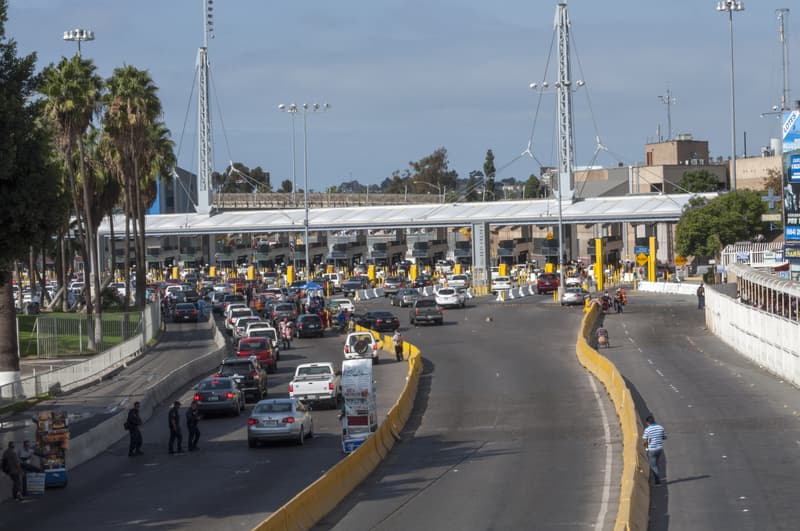
Officers at the San Ysidro Port of Entry took apart a Volkswagen and found something built right into the car: a factory compartment tucked behind the back seat. Inside were pillowcases, knotted shut and wrapped in tape. One of the pillowcases was moving.
When they opened the bags, they counted 69 live animals. Not gerbils or parakeets. We are talking venomous snakes, a baby crocodile, and lizards packed together like contraband, because that is exactly what federal prosecutors say they were. The whole thing reads like a smuggling scene from a movie, except it happened at the busiest land border crossing in the Western Hemisphere, in the middle of August, with real animals suffering inside a hot car.
The driver said she had nothing to declare
The person behind the wheel was Georgina Bribiesca Chavez, 66, of Tijuana. On August 10, she rolled up to the crossing and, according to federal prosecutors, told a Customs and Border Protection officer she had nothing to declare.
That might have worked on a normal day. It did not work on this one. A quick records check turned up an outstanding warrant connected to a wildlife trafficking investigation. Officers arrested her on the spot and seized the Volkswagen. Here is the strange part: they took the car, but they did not find the animals yet. That happened the next morning.
What officers found the next morning
When investigators went back to inspect the vehicle, they popped the hidden compartment behind the rear seat and pulled out the taped-up pillowcases. The count, once staff got everything to the San Diego Zoo, was wild.
There were 60 abronia lizards, which are those bright, jewel-colored little climbers that collectors pay big money for. Four venomous yellow-blotched palm pit vipers. Three caimans, which are basically the smaller cousins of alligators. One baby crocodile. And one indigo snake. Sixty-nine animals total, some of them protected because they are endangered or threatened in the wild, all crammed into cloth sacks inside a car door panel setup. Zoo workers had to sort through knotted, sealed bags to figure out what was even in there, according to the U.S. Attorney's Office.
Nearly 24 hours in the August heat
This is the part that turns an odd smuggling story into a genuinely grim one. After Chavez was arrested, prosecutors say she never mentioned that live animals were sealed inside the car. So the vehicle sat outside for close to 24 hours while nobody knew what was breathing inside it. In August. In Southern California.
All three caimans died. The other animals were stable and stayed in the zoo's care, but three creatures were dead by the time anyone knew they existed. That detail matters because it changes the whole tone of the case. This was not just moving rare animals for profit. According to the Justice Department, staying silent about the animals is what left them locked in a hot car for a full day.
This was not a one-time thing
If you are picturing a random person who made one bad choice, the timeline says otherwise. The U.S. Fish and Wildlife Service had been building this case for roughly 18 months before the border stop. Investigators ran multiple undercover buys and, prosecutors allege, traced a smuggling operation running since 2023.
Chavez was not working alone, either. Prosecutors named an alleged partner, Salvador Pelayo, 28, of Chula Vista, who was arrested back in July. Together, the two allegedly pulled in tens of thousands of dollars moving exotic animals across the border and selling them in both the United States and Mexico. That is the kind of money that tells you this was a business, not a hobby that got out of hand.
The turtle deal that helped crack it open
One undercover transaction stands out. In March 2025, prosecutors say Chavez handed an agent four protected Mexican box turtles for $2,600 in cash, and she did it shortly after crossing the border. Fast money, fast handoff.
Those turtles did not do well. All four died after being transferred to the Oakland Zoo. Investigators believe the animals had been taken from the wild and were already in rough shape, dealing with respiratory disease when they were sold. That is a recurring theme in these cases. Animals grabbed from the wild and shipped in bad conditions often do not survive the trip, no matter who ends up caring for them afterward.
Pelayo has his own separate accusation. Prosecutors say he used the fake name 'Jose Lopez' to ship four protected Mexican and Yucatan box turtles to an undercover agent in New York, according to the Justice Department. An alias and a cross-country shipment suggests a network that reached well past the San Diego area.
Why anyone smuggles vipers and caimans
It is fair to wonder who is buying a venomous pit viper. The answer is that the exotic reptile trade is real, and it moves serious money. Abronia lizards alone can sell for hundreds of dollars each, and there were 60 of them in that car. Rare snakes, caimans, and unusual turtles all have collectors willing to pay, and protected status often makes an animal more desirable, not less, because scarcity drives the price up.
That is the whole engine behind smuggling operations like this. The rules that exist to keep these species in the wild end up making them worth more on the black market. A single Volkswagen with a hidden compartment could carry what amounts to a small fortune in animals, which is exactly why federal agents spend a year and a half building a case instead of just writing a ticket at the border.
What both of them are facing
Chavez pleaded not guilty to a federal wildlife trafficking charge and was ordered held without bond. Pelayo also pleaded not guilty and is being held without bond. Both are charged under the Lacey Act, the main federal law used to go after people who traffic protected wildlife.
If convicted, each faces up to five years in prison and a fine of as much as $250,000. That is the ceiling, not a guarantee, and both have pleaded not guilty, so this is far from settled. But the charges show how seriously the government treats this. A five-year federal sentence is not a slap on the wrist for moving lizards.
Who is actually chasing these cases
The lead agency here is the U.S. Fish and Wildlife Service's Office of Law Enforcement, with help from the National Oceanic and Atmospheric Administration. Most people think of Fish and Wildlife as the folks who manage hunting seasons and national refuges. They also run undercover stings, work informants, and set up sales exactly like the turtle buys that helped build this case.
Cases like this one usually come from long, patient work, not lucky traffic stops. Agents posed as buyers, tracked the money, and lined up enough evidence to bring charges before Chavez ever got waved into that inspection lane. The border stop was the ending, not the beginning. By the time she said she had nothing to declare, according to prosecutors, there was already a warrant waiting with her name on it.
The detail that sticks
Strip away the charges and the legal language and one image stays with you. A knotted pillowcase, taped shut, moving on its own inside a hidden car panel. Sixty-nine animals stuffed into a compartment built to hide them, three of them dead by the time anyone knew to look.
The surviving animals are still in the San Diego Zoo's care, which is about the only good outcome in the whole story. The case now moves through San Diego federal court, and both defendants will get their day to answer the charges. For now, the record shows a border stop, a hidden compartment, and a lot of frightened animals that never should have been in that car.
Most read
This week

Entertainment
Michael Douglas Says He Hid Kathleen Turner Affair for 40 Years
Crime
Nathalie Belizaire Charged After 4 Children Found Alone During Cruise
Crime
Two Oxford Vape Clerks Charged in Ole Miss Kratom Investigation
Crime
Sinema's Ex-Bodyguard Arrested Again Over Knife at Phoenix Gun Shop

Entertainment
Judge Grants Restraining Order Against Halle Berry Over Choking Claim