Men Posing as ICE Agents Assault Driver in Oregon
The disguise cost almost nothing, and the driver never saw it coming.

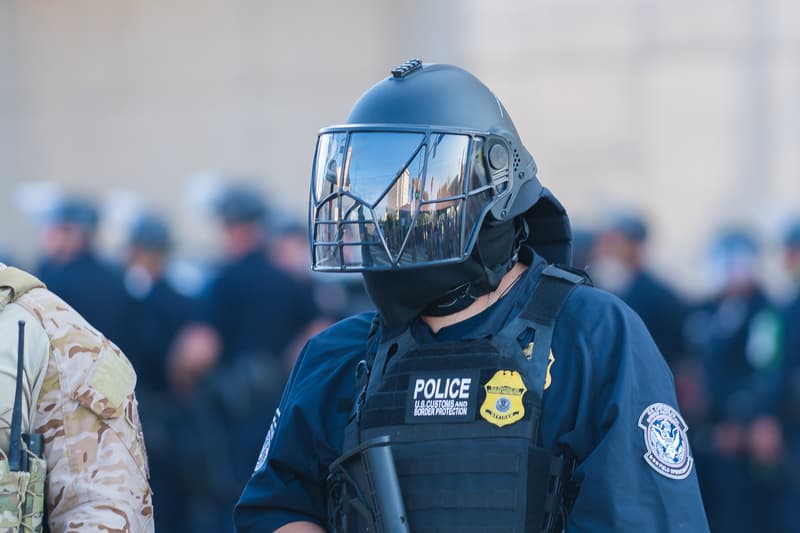
The driver was heading east on Highway 211 near Woodburn, Oregon, on the afternoon of July 17 when red and blue lights flashed in the rearview mirror. So they did the normal thing. They pulled into a gravel turnout and stopped, figuring a cop was behind them.
Two men climbed out of the SUV. One was holding a rifle. Both wore green long-sleeve shirts, boots, baseball caps, and face coverings. They said the word "ICE" and told the driver they were being detained. None of it was real. Federal authorities later confirmed no agents were involved, and the FBI is now working the case alongside state police.
What actually happened on Highway 211
According to Oregon State Police, the stop happened sometime between 3:30 and 5 p.m., in broad daylight, on a stretch of rural highway south of Portland in Clackamas County. Once the driver parked, the two men who stepped out claimed to be immigration agents. The victim was forcibly pulled from the car, searched, and shoved into the back seat of the suspects' SUV. A third man was waiting inside. That is where the assault took place.
The suspect vehicle had no license plates. The whole setup, the flashing emergency-style lights, the tactical-looking clothes, the confident announcement that someone was under arrest, was convincing enough that the driver never questioned it in the moment. And that is the entire point of the con. It works because most people freeze and comply the second they think law enforcement is talking to them.
The FBI flagged this exact trick almost a year earlier
Back in October 2025, the FBI put out a bulletin warning that criminals were dressing up as ICE agents to pull off robberies, kidnappings, and sexual assaults. The bureau specifically pointed to immigrant communities as the people most likely to be targeted, since someone worried about their status is far less likely to call the police or push back on the spot.
The Oregon attack has been described as the latest case fitting that warning almost perfectly. A masked crew, an unmarked car, fake gear, and a victim who had no clear way to check whether the badge was real. The warning existed. The playbook the FBI described is the same one these men appear to have run.
The con did not stop when the assault ended
Here is the detail that makes your skin crawl. While the victim was at the hospital afterward, the phone started buzzing. Text messages came in claiming to be from a law firm, offering to help with the case. Oregon State Police said the messages came from the number 971-502-5548 and appeared to be part of the same impersonation scheme, a second layer aimed at the same person while they were still shaken up.
Think about what that means. Whoever did this either had the victim's number or a way to reach them fast, and they tried to keep the manipulation going after the physical attack was over. Police released that number publicly and are treating it as evidence. If you get an unsolicited text like that after any encounter with people claiming to be agents, it is worth saving the message and handing it to investigators instead of replying.
Why nobody could tell the fakes from the real thing
Real ICE operations have drawn a lot of heat for using masks, plain clothes, and unmarked vehicles. Those same tactics are exactly what make impersonation so easy. When actual agents show up looking like guys in face coverings and no visible badges, a criminal can copy that look with a trip to an army surplus store and a set of dashboard lights.
Advocacy groups made a blunt point after the Oregon case. Some of them did not even realize at first that the attackers were fakes, because there was so little visible difference between what happened and a real detention. One group put it this way: there is very little to separate an armed private kidnapping from an official arrest when both involve masked men, an unmarked car, and someone getting pulled off the street. Impersonating a federal officer is a federal crime, but the disguise is cheap and the tactics are out in the open for anyone to mimic.
Oregon's governor and senator reacted fast
The case did not stay a local story for long. Oregon Governor Tina Kotek and U.S. Senator Ron Wyden both responded sharply once the details came out. When a governor and a sitting senator both jump on a highway assault in a rural county, that tells you how nervous this specific kind of crime is making people in charge.
The frustration goes beyond one attack. Critics argue that letting agents hide their faces and drive unmarked cars created the perfect cover for copycats, and that no serious effort has gone into teaching people how to tell an imposter from the real deal. If you cannot safely ask someone to prove who they are without risking a violent reaction, then verifying an agent becomes a gamble, and criminals know it.
This is not a one-off in one Oregon county
The Woodburn attack is part of a run of similar crimes around the country. People posing as ICE agents have been accused of rape, kidnapping, terrorizing business owners, and staging fake traffic stops in different states. The Oregon case just happened to be caught, reported, and investigated in a way that put a spotlight on the pattern.
Reports of the incident spread quickly across Instagram, Facebook, and X, with posts describing the fake gear and the police-style lights. Because the case was still open, fact-checkers left the claim unrated while evidence keeps coming in, which is standard for an active investigation. The core facts, though, were confirmed by police: masked men, a fake stop, an assault, and no real agents involved.
What to do if a stop feels off
Nobody can promise a perfect script for a moment like this, and that is honestly the scary part. A few things are worth keeping in your head, though. Real traffic stops almost always involve marked patrol cars and uniformed officers. An unmarked SUV with no plates, guys in face coverings, and a rifle pointed at you on a rural road should raise every alarm you have.
Drivers are generally allowed to pull into a well-lit, public spot before stopping, and calling 911 to confirm whether a stop is legitimate is a reasonable move if something feels wrong. Dispatchers can tell you fast whether real officers are behind you. In the Oregon case, the victim had no reason to doubt what they saw until it was too late, which is exactly why police went public with the specifics of the attack and the phone number tied to the follow-up texts.
The suspects had not been identified as of the last update, and the FBI and Oregon State Police are still working the case together. If you have information about the July 17 stop east of Woodburn, or you got a text from that 971 number, investigators want to hear from you. A crime that relies on people trusting a costume only works until enough people know the costume exists.
Most read
This week