Nirmal Purja Missing as Avalanche Kills Four on Broad Peak
The most famous climber alive walked up one mountain and went silent.

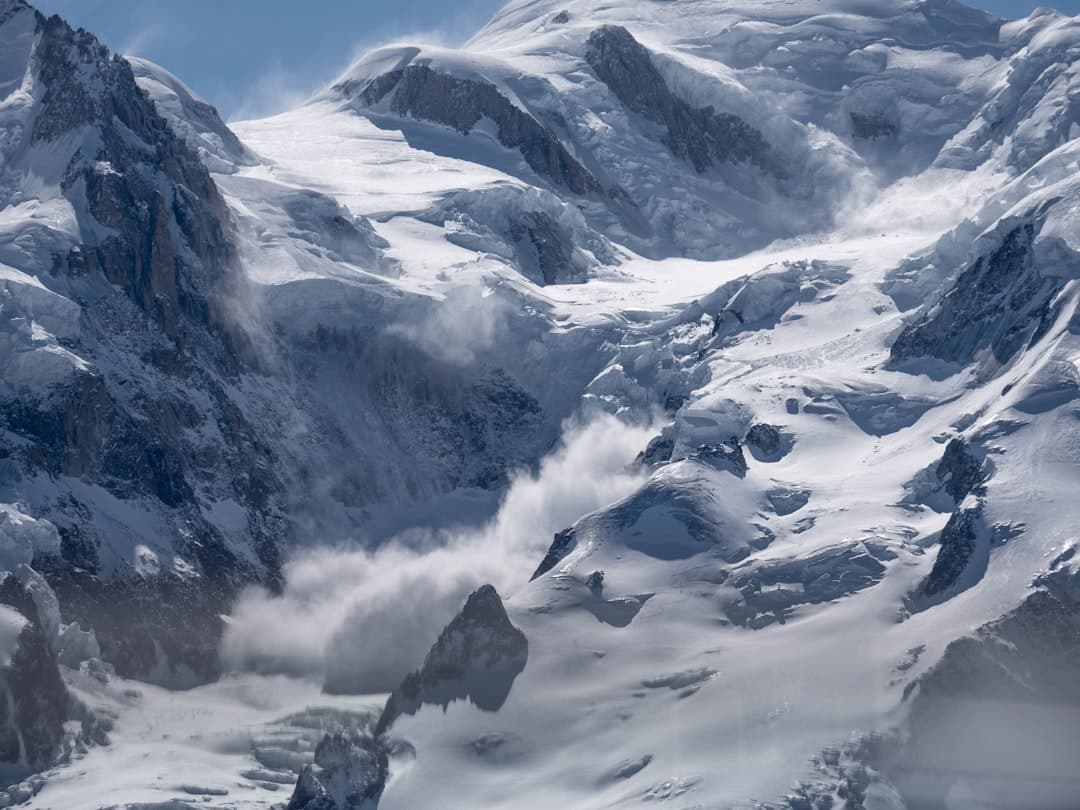
One of the most famous mountain climbers alive walked onto Broad Peak in Pakistan last week, and nobody has heard from him since. Nirmal Purja, the guy millions of people watched in the Netflix film "14 Peaks: Nothing Is Impossible," was leading a group up the world's 12th-highest mountain when an avalanche slammed into them around midday Thursday. He and nine other climbers dropped off the map completely. By Friday, ground teams had recovered four bodies and were still searching for the rest.
This is the kind of news that stops longtime climbing fans cold. Purja isn't some weekend hobbyist who wandered too high. He's a record-setter, a former special forces soldier, and probably the biggest name in high-altitude mountaineering right now. If it can happen to him, it can happen to anyone up there.
Who Nirmal Purja Actually Is
If the name doesn't ring a bell, the story will. Purja, 43, was born in Nepal and became a British citizen. He spent 16 years in the British military, first with the Brigade of Gurkhas and later the Special Boat Service, one of the UK's most elite units. He got his first taste of the big mountains in 2012 on a trek to Everest Base Camp, and that trip flipped a switch.
Then he did something nobody thought was possible. Between April and October 2019, he climbed all 14 of the world's peaks above 8,000 meters in six months and six days. The old record was closer to seven years. Netflix turned the whole thing into a documentary, and Purja, known to fans as "Nims" or "Nimsdai," became a global celebrity. Queen Elizabeth II awarded him an MBE in 2018. His foundation, Nimsdai, supports mountain communities back in Nepal.
What Happened on the Mountain
Broad Peak stands 8,051 meters tall, about 26,400 feet, deep in the Karakoram range of northern Pakistan. It's the 12th-highest mountain on Earth. On Wednesday, the climbers had reached Camp 2. The plan was to push to Camp 3 on Thursday, then go for the summit on Friday.
The avalanche hit around 9:20 in the morning local time, somewhere between Camp 2 and Camp 3, at roughly 6,660 meters. Some reports say there may have been two slides. Then came a detail that makes the whole thing worse: no alarm went out for almost 13 hours. "We only found out at 10 pm," said Naila Kiani of the Alpine Club of Pakistan. "We are all shocked." That meant an entire day of daylight, when helicopters might have reached the site, was simply lost.
The Ten Climbers Who Went Missing
This wasn't a solo attempt. There were actually four teams on the mountain that day. Purja was leading his EliteExped group. A separate pairing had Pakistani climber Sohail Sakhi guiding American client Mallory Geis of San Antonio, Texas. There was also an Imagine Nepal team and a Seven Summit Treks group in the area.
The full list of the missing shows just how international this expedition was. Along with Purja and Geis, it included Nepali climbers Pur Bahadur Gurung, Kili Pemba Sherpa, Nima Sherpa, Gyalu Sherpa, and Nawang Thindu Sherpa. Sohail Sakhi from Pakistan was there, along with Chinese climber Wang Zhong and Omani climber Ahmed Abdullah Al Harthy. Five countries, one mountain, one avalanche. The whole team went silent at the same moment.
Four Bodies Recovered, Two Named
By Friday, ground rescue teams had pulled four bodies off the mountain. Irfan Arshad Khan, president of the Alpine Club of Pakistan, confirmed the recovery but said crews were still working to reach the six other climbers in rough weather.
At first, officials held back the identities. Government sources who talked anonymously said they weren't authorized to release names. Later, the Alpine Club confirmed the first two of the four: Nadhira Al Harthy from Oman and Pur Bahadur Gurung, nicknamed "Yukta," from Nepal. The club said it would share the other names as soon as the information was officially confirmed. As of the latest updates, Purja's status was still unknown.
The One Detail Giving Rescuers Hope
Here's the thread everyone is hanging onto. Several of the climbers were wearing GPS trackers, and the location data for four of them was still showing up on the screens of rescue coordinators. Even better, one early report said Purja's tracker was showing movement. That's the kind of signal that keeps a search team going through the night.
Now, a tracker isn't a heartbeat. It could mean a climber is alive and moving, or it could mean the device shifted with the snow. Nobody was making promises. But rescue teams had coordinates to aim for, which is a lot more than they usually get at that altitude. The GPS pings for Purja, Geis, and Al Harthy were being watched closely as helicopters got ready to fly.
Why the Rescue Is So Hard
Reaching climbers this high is brutally difficult under the best conditions, and these weren't the best conditions. Pakistan mobilized helicopters, drones, and ground teams. Two helicopters were loaded with rescuers and oxygen, ready to fly to Broad Peak on Friday. The weather actually cooperated for once, with clear skies reported Friday morning and expected to hold through the weekend.
The bigger holdup is bureaucracy. Rescue operations in Pakistan tend to move slower than in Nepal because helicopter flights run through military channels and need several layers of clearance before anyone lifts off. Nepal's ambassador to Pakistan, Rita Dhital, confirmed the full search effort was underway, and army helicopters had joined the ground crews. Officials described it plainly as a dangerous mission at extreme altitude.
The Record He Was Chasing
There's a gut-punch layer to this story. Purja wasn't even supposed to be on Broad Peak. He had already announced plans to climb Cho Oyu, the sixth-highest mountain in the world, as part of a bid to become the first person ever to climb all 14 of the 8,000-meter peaks twice. An unprecedented "double." Broad Peak, by his own account, was a last-second decision to chase that record.
He said as much in a social media post before the climb: "This was never the plan." In another final message, he wrote something that reads very differently now: "Broad Peak, I ask for nothing but safe passage up and back down." Those were among the last public words from a man who spent years rewriting the record books.
Where Things Stand Now
As it stands, four climbers are confirmed dead, two of them named, and six are still missing, including one of the most accomplished mountaineers on the planet. The Alpine Club of Pakistan is coordinating the search and staying in contact with the families of everyone involved. Helicopters, drones, and ground teams are all in the field, using GPS coordinates to narrow down where the climbers were last moving.
For now, there are no answers about Purja, only the tracker data and the clear weather working in the rescuers' favor. It's a strange place for a story that started with a man sprinting up the world's tallest mountains faster than anyone in history. Millions of people met him through a Netflix screen, watching him grin at cameras from summits that kill ordinary climbers. Now they're refreshing their phones for any word, hoping the mountain he loved most gives him the safe passage back down that he asked for.
Most read
This week
Crime
Malawi Police Offer $17,000 Reward for Abducted British Auditor
Business
Hiker, 70, Rescued Alive After a Week Lost
Crime
Police Find Missing Newlywed Dominick Bianchi Dead in Wooded Area
World
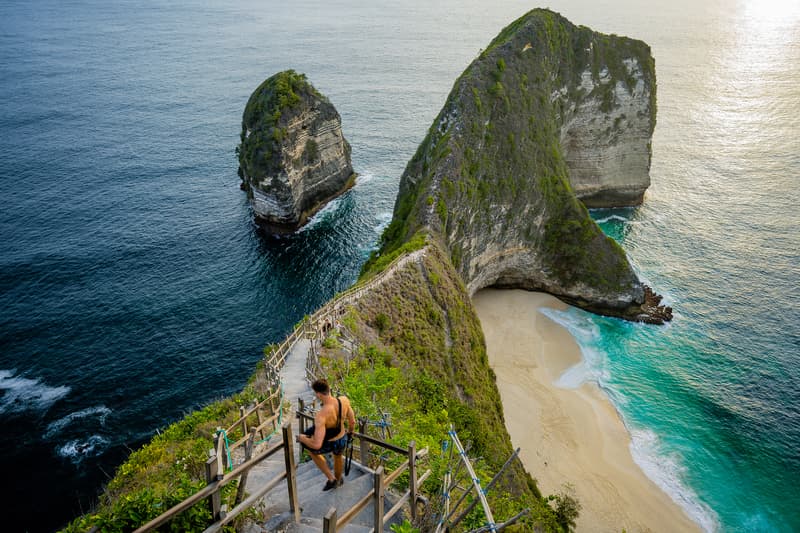
Brianna Cronin, 29, Dies in Cliff Fall at Bali's Kelingking Beach

Business
TV Legend Drops Shocker About Her Future