NSW Police Mistake Lifelike Doll in Suitcase for Woman's Body
It looked like a murder victim. The lab results told a different story.

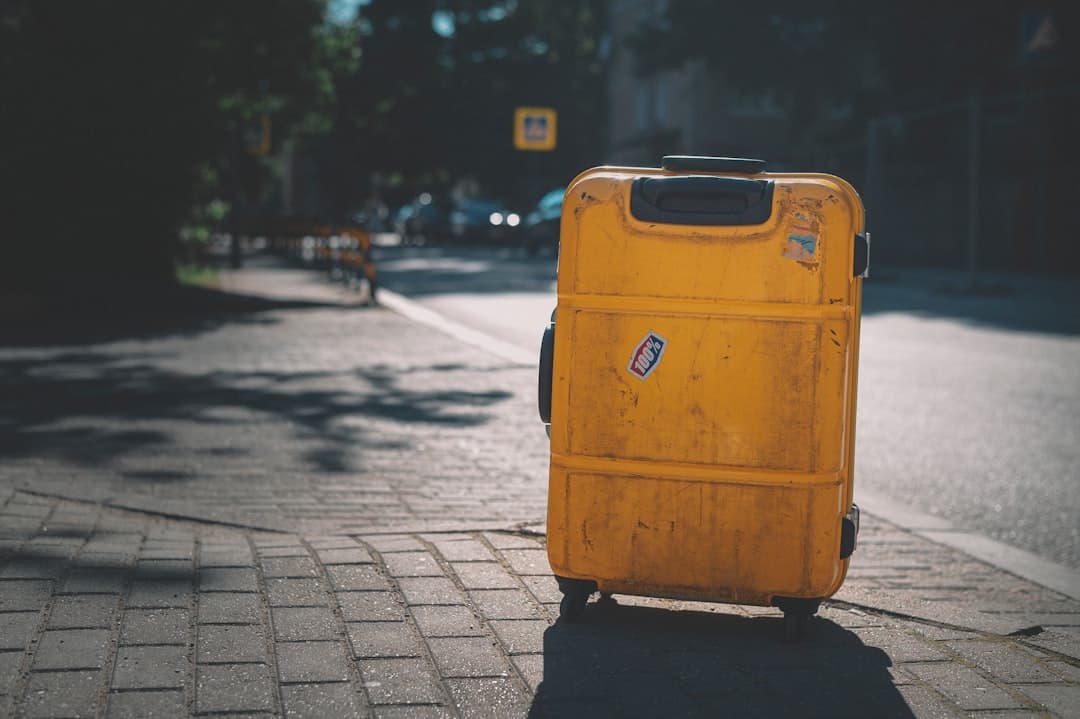
Two guys were on a weekend drive through the Southern Tablelands of New South Wales. Nothing fancy, just a road trip through the Australian bush. They pulled over near Oallen for a break, the way anyone stretches their legs on a long drive, and spotted a suitcase dumped on the side of the road. When they looked closer, they found what appeared to be a decomposing human body stuffed inside.
That single stop kicked off a full homicide investigation. Detectives, forensic teams, a strike force, the whole thing. And then, about a day later, the entire case fell apart in the strangest way possible. The "body" was a doll. A very, very convincing doll.
Two Daytrippers, One Roadside Suitcase
The call came in at 12:50pm on Sunday, August 9. Police were told there was a body on Wolgon Road, close to Oallen Ford Road, about 60 kilometers south of the town of Goulburn. That's roughly an hour's drive from anywhere you'd actually want to be.
The two men who found it weren't looking for trouble. They'd stopped by chance, the kind of random break that turns into a story you tell for the rest of your life. Superintendent Linda Bradbury of the Hume Police District later put it plainly on morning TV: the pair were just enjoying a weekend drive, stopped for a break, and stumbled onto the bag. "It was quite a shocking discovery for them, absolutely," she said. You can find the full details here, but the short version is that everyone who saw it assumed the worst.
The Homicide Squad Actually Got Called In
This wasn't a couple of local cops poking around. Police set up a formal crime scene and launched Strike Force Bryton, then brought in the State Crime Command's Homicide Squad. That's the kind of muscle you only see when investigators are convinced they're dealing with a murder.
By Monday morning, police said they believed the remains belonged to a woman. They started cross-referencing the discovery against active missing persons cases in the region. Investigators said the remains were in a state of decomposition, so figuring out exactly who it was and how long the suitcase had been sitting there would take time. Everything about the response, as reporters covering the case noted, pointed to a serious homicide investigation. Nobody in that bush was treating this like a prank.
A Nose Piercing and Fake Bruises Sold the Whole Thing
Here's the part that makes this whole story land. The doll wasn't some cheap plastic mannequin. It had hair. It was wearing actual clothing. It had a nose piercing. And whoever made it or dressed it added fake bruising and grazes that looked exactly like real injuries.
Put all that together with a state of decomposition, stuff it in a suitcase, and dump it in the middle of nowhere, and you've got something that looks like a crime scene from a TV drama. Bradbury didn't dance around it. "They were mistaken for a human originally, so they are very realistic in the term of looking like human remains," she told reporters. Police eventually confirmed the item was a life-like doll, complete with those unsettling little details. As the confirmation showed, modern dolls have gotten so realistic they can fool the people whose actual job is examining bodies.
Why Nobody Just Opened the Bag and Looked
This is the question everyone asked. If it was a doll, why did it take a full lab to figure that out? Why didn't an officer just unzip the suitcase, take a real look, and save everyone the trouble?
The answer is actually the most sensible part of the whole mess. Bradbury explained that police, as a rule, do not significantly disturb human remains at a crime scene. If you think you're looking at a murder victim, the last thing you want to do is start yanking things around and destroying evidence a defense lawyer could later use. So the contents of the suitcase were never closely examined where they sat. Officers followed the correct process for a major crime and moved the whole thing to a forensic lab. When pressed about how the force could get it so wrong, Bradbury didn't apologize for it. She defended the response, and honestly, the reasoning holds up. Better to over-respond to a possible body than to treat a real victim like garbage.
No Cell Signal, No Cameras, and Rain on Top of It
Oallen is remote in a way most Americans would have to see to believe. It sits about 109 kilometers northeast of Canberra and 225 kilometers southwest of Sydney, in a rural stretch of the Southern Tablelands. Think miles of bush, gravel roads, and not much else.
That location made the investigation a nightmare from the start. There was no CCTV anywhere near the scene, so there was no footage of anyone dropping the suitcase off. There was no mobile phone signal, which means investigators couldn't even easily communicate or pull data in the field. Then the weather turned. Inclement conditions rolled in on both Sunday and Monday, soaking the scene and making it even harder to examine anything on site. Every one of those factors, according to accounts of the operation, pushed police toward the same decision: bag it up carefully and let the lab sort it out.
How the Truth Finally Came Out
The turning point came Monday morning. By around 10am, forensic testing at the medicine laboratory delivered the verdict that flipped the entire case on its head. The remains were not human.
"We can confirm that the remains found at Oallen Ford Road, Oallen yesterday are now identified as not being human," Bradbury said. "They were mistaken for a human originally, they are very realistic." At that first press conference, police still couldn't say exactly what they had. They knew it wasn't a person, but they weren't ready to say whether it was animal, synthetic, or something else. More forensic work was needed to nail down what the thing actually was. Only later that afternoon did police confirm the object was a life-like doll. The missing persons cross-referencing got shut down the moment the lab results came back, as the wrap-up of the case explained. A homicide response that had eaten up a weekend was suddenly over.
So Who Dumps a Doll Like That?
That's the part nobody has answered, and maybe nobody ever will. Police have concluded their investigation. The doll wasn't a person, no crime against a human being took place, and so the case is closed. But it leaves a genuinely weird picture behind.
Somebody took a doll, dressed it in real clothes, gave it a nose piercing, painted on bruises and grazes to make it look beaten, packed it into a suitcase, drove it deep into the bush, and left it on a road with no cameras and no phone signal. Whether that was a bad prank, a discarded film prop, or just someone's very odd idea of cleaning house, the timing and the effort turned it into a full-scale emergency. The forensic teams and the Homicide Squad chased a ghost for the better part of two days.
The two men who found it come out of this the best. They did exactly the right thing. They saw something that looked like a dead body and they called the police instead of driving off, and no reasonable person would have done differently. As the reporting on the case makes clear, even trained officers who examine remains for a living looked at this doll and saw a woman.
The takeaway isn't that police messed up. It's that dolls have gotten realistic enough to trigger a homicide investigation, hair, piercings, fake injuries and all. Next time you hear someone say a mannequin looks creepy, remember the suitcase near Oallen. A weekend drive, a roadside break, and a doll good enough to fool the pros. That's the kind of story that only stops being funny once you realize how easily it fooled everyone involved.
Most read
This week

Entertainment
Michael Douglas Says He Hid Kathleen Turner Affair for 40 Years

Crime
Nathalie Belizaire Charged After 4 Children Found Alone During Cruise

Crime
Two Oxford Vape Clerks Charged in Ole Miss Kratom Investigation

Crime
Sinema's Ex-Bodyguard Arrested Again Over Knife at Phoenix Gun Shop

Entertainment
Judge Grants Restraining Order Against Halle Berry Over Choking Claim