Salmonella Outbreak Reaches 77 Cases, Source Still Unknown
The count keeps rising, but investigators still can't say what's behind it.
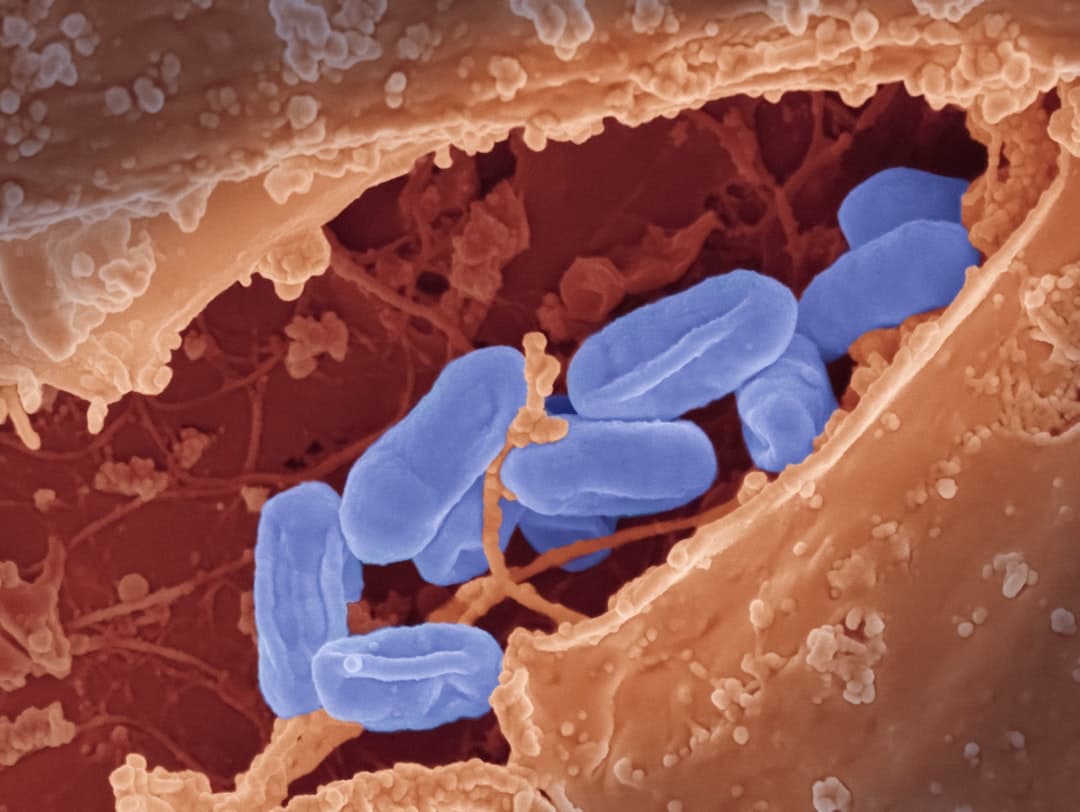
The number keeps going up, and here's the annoying part: nobody can tell you what food is behind it. As of July 2, federal health officials had linked 77 illnesses to a single Salmonella outbreak that started out small back in early June. The source? Still a blank. No product name, no brand, no recall you can act on. Just a case count that refuses to stop rising.
A slow climb from 62 to 77
This one has been building for weeks. The FDA first flagged the outbreak, involving a strain called Salmonella Enteritidis, on June 10 with 62 confirmed cases. It crept up to 68, then landed at 70 by June 24. The most recent update pushed the total to 77.
That kind of steady climb usually means one of two things. Either the same contaminated product is still sitting on shelves and in fridges, or investigators are just now catching up to people who got sick weeks ago. Salmonella cases take time to confirm. Someone gets sick, sees a doctor, gets tested, and then the lab work has to match their strain to the outbreak. By the time you see the official number, it's already a little behind reality. The FDA itself notes that the true count in these situations is almost always higher than what's been confirmed. So 77 is the floor, not the ceiling.
The FDA still won't say what food to avoid
Here's what makes this outbreak different from a normal recall. When there's a specific product involved, you get a clear warning: toss this brand, check these lot numbers, return it to the store. This time there's nothing to toss because officials haven't figured out the food yet.
The agency has started what's called a traceback, which means following the supply chain backward to find the common thread among the people who got sick. But so far the FDA hasn't reported what food it's tracing, hasn't said how old the patients are, and hasn't revealed where they live. On the official active investigations list, it's logged as reference #1378, tied to a "not yet identified product." That phrase is doing a lot of work.
Why is it so hard? Because people eat dozens of things a week and can't always remember what they had. Investigators interview patients, look for overlap, then test food and production sites. It's slow detective work. The recent moringa supplement outbreak took months and hundreds of interviews before officials could point at the ingredient. Until this one gets that far, there's no single product to blame.
It's one of a whole pile of outbreaks right now
If it feels like there's a lot of this going around, that's because there is. The 77-case Salmonella outbreak is just one line on a crowded federal tracking board this summer.
A brand new E. coli O157:H7 outbreak, reference #1382, just got added with 14 patients. Its source is also unidentified, and traceback has started. Then there's the moringa leaf powder situation, which has been running for weeks. That one has reached 119 cases across 36 states and involves two Salmonella strains, Typhimurium and Newport, tied to imported powder used in supplements. Of 79 patients interviewed, 70 had used a product with moringa in it. Multiple brands sold on company websites and big online retailers like Amazon got recalled, with new lots added as recently as June 11.
On top of that, two separate Cyclospora outbreaks are being sampled by the FDA, one with eight patients and one with two, plus a wider Cyclospora problem that has hit 145 people in 17 states with no source pinned down. And in the strangest corner of the board, three people were hospitalized with botulism linked to Nara Organics infant formula. All three were paralyzed, and the FDA has begun onsite inspections. At least four companies handle that formula's production and packaging, two of them in Europe.
A cheese recall with a death attached
One outbreak on the list actually did get solved, and the ending wasn't pretty. A Listeria outbreak was traced to soft cheese, specifically requeson, a soft ricotta-style cheese. By June 24 the patient count had climbed to 11. Ten of those people ended up in the hospital, and one person died.
This is what the investigation process looks like when it works. Officials interviewed ten of the patients, and nine of them said they'd eaten cheese before getting sick. Then whole genome sequencing, basically a DNA fingerprint of the bacteria, showed all the patients were hit by the exact same strain. That same strain turned up in cheese made by Clover Hill Dairy LLC of Mechanicsville, Maryland. Case closed on the source, and a recall of all Clover Hill cheese products followed.
The FDA kept updating that advisory into late June, adding a new recall of repackaged requeson cheese on June 29. Repackaged is the tricky word there, because when a store buys bulk product and re-wraps it under its own label, the original recall can miss it. That's how contaminated food slips past the first round of warnings and stays in play longer than anyone wants.
513 people and a lot of backyard chickens
The biggest Salmonella story of the year isn't even a grocery product. It's backyard birds. As of June 25, the CDC had confirmed 513 cases tied to backyard poultry across 43 states and a U.S. territory. That outbreak sent 134 people to the hospital and caused one death in Washington state.
What's wild is that it isn't one outbreak but five strains running at once: Enteritidis, Indiana, Infantis, Mbandaka, and Saintpaul. The Saintpaul cluster alone accounts for 133 patients. Seven hatcheries have been connected to the outbreak strains so far. And a big chunk of the sick people are new to this. Of those who reported owning poultry, 84 percent had gotten their birds since January 1.
Summer makes it worse. Kids are outside more and around the birds more. Warm weather helps the bacteria stick around in coops and yards. And the spring hatching season dropped millions of new chicks and ducklings into American homes between January and April. Those birds are grown now and shedding bacteria. The CDC's advice is blunt: children under five shouldn't handle live poultry or wander into areas where the birds roam. Cute as they are, chicks are not a petting zoo for toddlers.
So what do you actually do about the 77-case one?
This is the honest answer nobody loves: with the source still unknown, there's no specific product to throw out. You can't return a food that hasn't been named. That leaves you with the boring basics that actually work.
Keep an eye on the FDA's active investigations page, because the moment traceback lands on a product, that's where the recall and the advisory will show up first. The agency has said it issues a public advisory as soon as an investigation produces specific, actionable steps for shoppers. When it does, you'll get lot numbers and store names, not vague warnings.
In the meantime, the same habits that cut your odds in any outbreak still apply. Keep raw meat separate from produce in your cart and fridge. Wash your hands and cutting boards after handling raw food. Refrigerate leftovers quickly instead of letting them sit on the counter. It's not exciting, but when investigators are chasing a food they can't name across 77 cases and counting, plain old kitchen habits are the only thing under your control.
The number will keep changing. Salmonella outbreaks like this tend to reveal their source eventually, usually after a lot of interviews and lab work most of us never see. Until then, 77 is the count, the food is a question mark, and the investigation is very much still open.
Most read
This week
Health
Pennsylvania Measles Cases Top 1,000, Largest Outbreak in 30 Years
Crime
Andrew Tanaka Charged With Four Counts of Attempted Murder on I-35
Crime
FBI Arrests 18-Year-Old in ISIS Plot to Attack Mall of America
Crime
Christa Pike Awake and Speaking After Tennessee Execution Fails
Politics
Seven Senate-Confirmed Treasury Officials Exit Amid Bessent Outbursts