FDA Investigates Salmonella Outbreak That Has Sickened 16
Federal investigators still can't pinpoint what's making people sick.

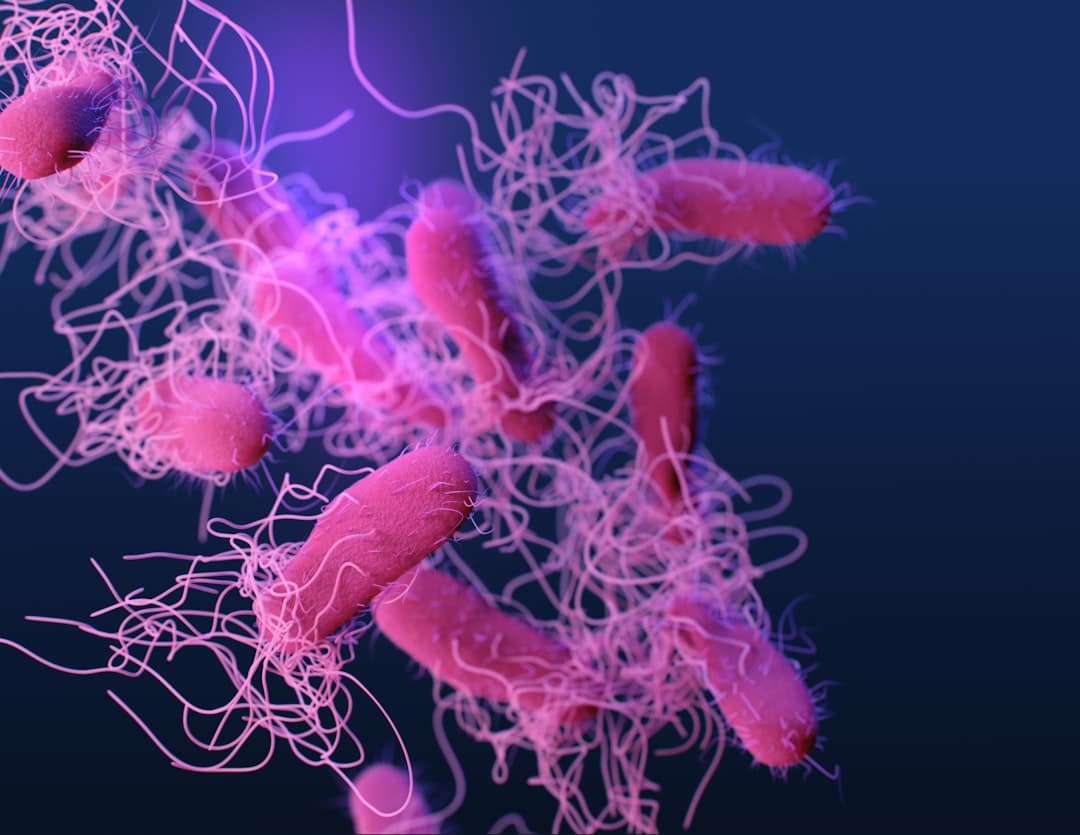
On May 21, 2026, the FDA quietly added a new line to its outbreak investigation table. Sixteen people have been infected with Salmonella Typhimurium, and right now, nobody knows what food is causing it. No product has been named. No recall has been issued. No consumer advisory has gone out. The investigation is in its earliest stages, and the agency hasn't even released the ages of the patients or the states where they live.
That's a lot of unknowns. And if you're wondering why this matters when we don't even know what food to avoid yet, consider the timing. This new outbreak is landing right in the middle of what's already been one of the busiest stretches of Salmonella activity federal agencies have dealt with in a long time.
What We Know About the New Outbreak So Far
Here's the short version: not much. The FDA confirmed 16 cases of Salmonella Typhimurium as of its announcement. The agency has started traceback efforts, which means investigators are interviewing sick people about what they ate and where they bought it, then working backward through the supply chain to find a common thread. But they haven't reported what food they're tracing yet.
That's not unusual for the early phase of an outbreak investigation. The FDA, CDC, and state health departments typically won't name a specific product until they have strong enough evidence to point to it. Jumping to conclusions too early can cause unnecessary panic about a food that turns out to have nothing to do with the problem, and it can also let the actual source stay on shelves longer while everyone's looking in the wrong direction.
So for now, the FDA's outbreak table lists this one as active with no identified product. The agency has committed to issuing a public advisory once they have specific, actionable steps for consumers. Until then, the investigation is ongoing and the case count could grow.
Why 16 Cases Is Actually a Big Deal
Sixteen confirmed cases might not sound like a lot. But here's the thing about Salmonella numbers: the official count almost always represents a fraction of the actual number of people who got sick. The CDC has said repeatedly that for every confirmed case in an outbreak, many more people are infected but never seek medical care, or they go to a doctor but aren't specifically tested for the pathogen. Some estimates suggest the real number of infections can be 20 to 30 times higher than what gets reported.
On top of that, it typically takes three to four weeks to determine whether a sick person is part of a recognized outbreak. That means cases showing up today might not get added to the count until mid-June. So 16 confirmed cases on day one of a public announcement could easily become a much larger number as the weeks go on.
The FDA Is Already Juggling a Crowded Outbreak Map
What makes this new Salmonella Typhimurium investigation stand out is the context around it. As of May 20, 2026, just one day before this outbreak was announced, the CDC's foodborne outbreak tracker listed 13 active Salmonella multistate investigations happening simultaneously. Thirteen. That's a lot of separate outbreak threads for federal investigators to manage at the same time.
Not all of those 13 investigations have public outbreak notices attached to them. The CDC only posts notices when there are specific actions consumers can take, like avoiding a certain food or checking for a recalled product. But behind the scenes, teams of epidemiologists, food safety specialists, and lab technicians are working all of those cases at once, trying to connect the dots between sick people scattered across the country and the food that made them ill.
Adding a 14th active investigation to that pile means federal resources are stretched. And it means consumers need to be paying closer attention than usual to FDA and CDC updates over the next several weeks.
How the FDA Traceback Process Actually Works
Since there's no identified food yet, you might be wondering what the FDA is actually doing right now. The process is more painstaking than most people realize.
First, the CDC identifies a cluster of people who are sick with the same strain of Salmonella using a system called PulseNet. This is a national database of DNA fingerprints of bacteria, built using whole genome sequencing. When multiple people in different states turn up with the exact same genetic strain, that's a signal that a common food source is responsible.
Once a cluster is flagged, state and local health departments interview each sick person with a detailed questionnaire about everything they ate in the days before they got sick. Investigators look for overlaps. Did multiple people eat the same type of food? Did they shop at the same grocery chain? Did they eat at the same restaurant? Those overlaps help narrow the list.
Then the FDA's CORE (Coordinated Outbreak Response and Evaluation) team takes over the traceback, following the supply chain from the point of sale backward to the distributor, the processor, and the farm or manufacturer. At each step, they may collect product samples for lab testing.
The whole process can take weeks. Sometimes months. And sometimes, the source is never definitively identified, especially with smaller outbreaks where the number of interviews is limited. The FDA's investigation table shows plenty of past cases that remained listed as "not yet identified" for extended periods.
What Consumers Should Do Right Now
This is the frustrating part. Without a named food product, there's no specific thing you can throw away or avoid buying. The FDA hasn't issued a consumer advisory because there's nothing specific to advise yet.
What you can do is stay informed. The FDA updates its outbreak investigation table regularly, and when a food source is confirmed, they'll issue a public notice with clear instructions. Bookmark the FDA's outbreak page if you want to check for updates yourself rather than waiting for it to hit the news.
If this investigation follows the typical pattern, the FDA will release more details as they emerge. If a specific product is identified, there could be a voluntary recall, or if the product is already past its shelf life, the FDA may simply issue an alert. Either way, more information is coming. It's just a matter of when.
Salmonella Typhimurium Is One of the More Common Strains
The specific strain in this new outbreak, Salmonella Typhimurium, is one of the most frequently detected types of Salmonella in the United States. It's been linked to a wide range of foods over the years, from produce to poultry to processed products. That wide range is part of why the traceback is so complicated. Investigators can't just assume it's chicken or lettuce. It could be almost anything.
For reference, the Salmonella Typhimurium strain was also one of the strains involved in the moringa leaf powder outbreak earlier this year, which sickened 97 people across 32 states before it was traced to contaminated dietary supplements. That's a completely different investigation with a different source, but it's the same type of Salmonella. The strain pops up in all sorts of food categories, which is why investigators have to cast a wide net early on.
The Case Count Will Almost Certainly Grow
If history is any guide, 16 cases is where this story starts, not where it ends. Consider how other recent outbreaks have played out. The Salmonella Newport outbreak linked to imported cantaloupe was first added to the FDA's active investigation list in late February 2026 with 38 reported cases. Within weeks, that number grew to 68. By the time the investigation was declared over, the final count was 70 confirmed cases across 25 states.
And that's just the confirmed number. The real number of people who got sick from those cantaloupes was almost certainly much higher.
The new Salmonella Typhimurium outbreak is still in its infancy. Sixteen cases in the initial report, with no ages, no state breakdown, and no food identified. All of that will come in time. The question is how quickly.
Where to Watch for Updates
The two best places to track this outbreak are the FDA's outbreak investigation table and the CDC's current outbreak page. Both are updated regularly and both are free to access. The FDA's CORE team manages the table and will add details about the food source, any recalls, and consumer advice as those become available.
You can also call the USDA Meat and Poultry Hotline at 888-674-6854 if you have questions about specific food products in your fridge or freezer. That hotline is designed for consumer food safety questions and is staffed by people who can help you figure out whether something you bought might be affected by any active recalls or alerts.
For now, the best thing you can do is keep an eye on the story. Sixteen people are confirmed sick. The FDA is working the case. And at some point, probably within the next few weeks, we'll know what food is behind it. Until then, this is one to watch.
Most read
This week
Crime
Christa Pike Awake and Speaking After Tennessee Execution Fails
Politics
Seven Senate-Confirmed Treasury Officials Exit Amid Bessent Outbursts
Entertainment
Jim Bakker, Televangelist Who Went to Prison for Fraud, Dies at 86
Crime
Marine Devin Ballard Arrested in Okinawa Hotel Killing of Anna Yagi

Politics
Dennis Hastert, House Speaker Who Went to Prison, Dies at 84