Three Hikers Die in Grand Canyon Heat Topping 109 Degrees
Four hikers went down into the canyon in June. The heat had other plans.

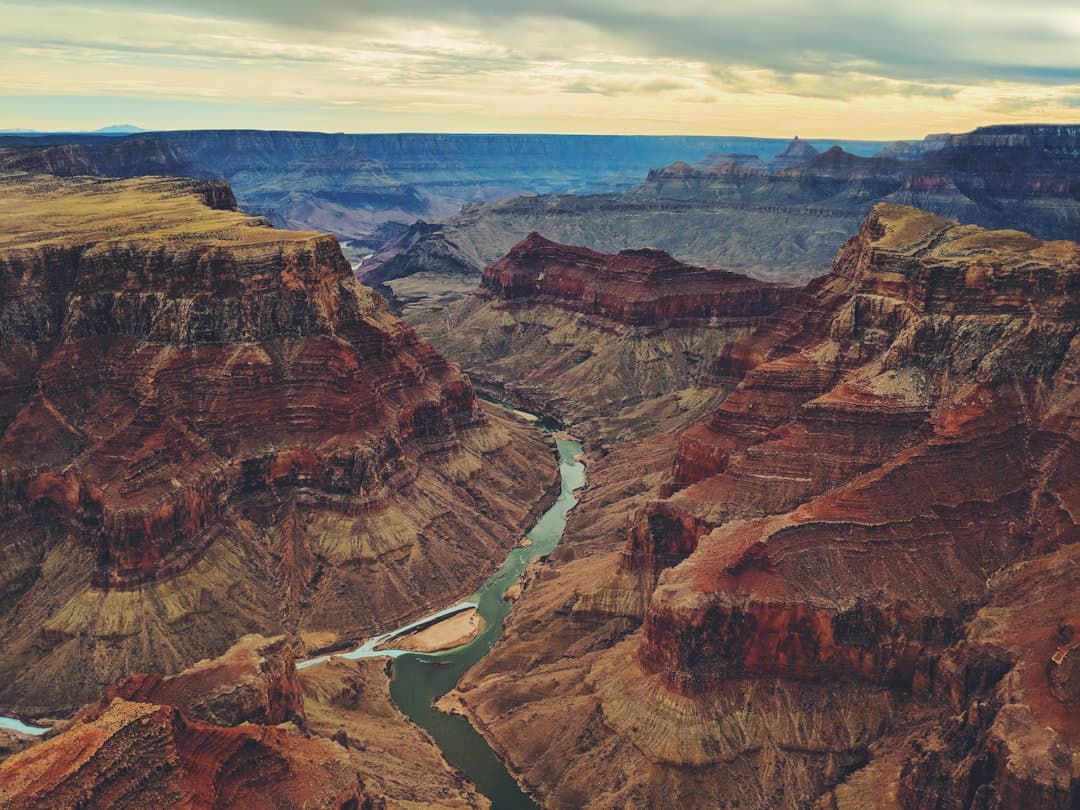
The Grand Canyon doesn't care how many miles you've logged or how good your boots are. In the span of four days this June, three hikers walked down into the Inner Canyon and never made it back up. All three appear to have died from the heat, in a place where the air at the bottom can sit at 109 degrees in the shade. By the time rangers reached them, all three were already gone.
It's the kind of story that makes you stop scrolling, because these weren't reckless people doing something stupid. They were hikers on two of the park's best-known trails, on days when the canyon turned into something closer to an oven than a national treasure. Here's what actually happened, and why this stretch of trail keeps catching people off guard.
What happened on the trails
The deaths came from two separate incidents. On June 12, a 72-year-old man died along the South Kaibab Trail after showing signs of heat-related illness. Four days later, on June 16, a 67-year-old man and a 68-year-old woman were found dead on the North Kaibab Trail. The National Park Service believes the heat is what killed all three, though the June 16 case is still under investigation.
Rangers and emergency crews responded fast in both cases. They even brought in aerial support to reach the hikers in the remote inner part of the canyon. It didn't matter. Every one of them was already deceased when help got there. The bodies were taken to the Coconino County Medical Examiner's Office, and as of the park's statement, none of the three had been publicly identified.
Why these two trails are so brutal
The South Kaibab and North Kaibab are not casual stroll trails. They drop thousands of feet straight down into the canyon, and the North Kaibab in particular is described by the park as the most difficult of the major inner canyon routes. The cruel part is the layout. Going down feels easy, almost fun. Your legs are fresh, the morning is cooler, and the views are unreal. The trap is the climb back out.
By the time hikers turn around, they've already burned through their energy and water, and now they have to grind back up thousands of feet of elevation in the hottest part of the canyon. One National Weather Service meteorologist put it plainly, saying that climb is very strenuous even on a mild day. Throw in temperatures of 105 to 110 degrees and, in his words, that causes some pretty bad problems.
A fourth hiker died weeks earlier
These three weren't the only ones. On June 3, an 18-year-old hiker died on the Bright Angel Trail after experiencing heat-related symptoms below Havasupai Gardens. The teen was attempting a day hike from the South Rim all the way down to the Colorado River and back, which is exactly the trip the park tells people not to do in summer.
Rangers found the hiker about 30 feet below the trail in a remote spot near Garden Creek. Crews tried lifesaving measures and even ran a helicopter rescue, but it wasn't enough. That brings June's total to at least four heat-related deaths on the canyon's inner trails. The Bright Angel Trail drops 4,460 feet over 7.8 miles, which is a lot of trail to cover when you're young, confident, and badly underestimating the bottom of a canyon in summer.
The bottom is way hotter than the rim
Here's the detail a lot of visitors miss. The temperature you feel standing at the rim is not the temperature you'll face at the bottom. Not even close. The rim sits high up, around 7,000 feet on the South Rim and 8,000 feet on the North Rim. The bottom is a different world. Conditions down low can run 20 to 25 degrees hotter than what you felt when you parked your car.
So you could leave the rim on a pleasant 85-degree morning, feeling great, and find yourself in 110-degree heat by the time you reach the river. As one meteorologist bluntly described it, it's just a hot place at the bottom of the Grand Canyon. The low-elevation Phantom Ranch can hit or pass 110 degrees, and there's barely any shade and, on some stretches, no water at all.
Why the heat sneaks up on people
The desert plays a trick on you. An emergency medicine professor who spoke about the canyon's dangers explained that you don't need humidity for the heat to become a serious problem. The Grand Canyon is hot and very dry, and that dryness is exactly the issue. Because the air is so dry, sweat evaporates almost instantly. A person can be soaked in sweat and not even feel it, which means they don't realize how much trouble they're in.
That's the sneaky part. Early signs of heat trouble can feel like ordinary tiredness, thirst, or being worn out, the same stuff you'd shrug off on any tough hike. The professor said the real red flag is any change in how someone is thinking or acting, like confusion, slurred speech, or just being out of character. When that shows up, the situation has already gotten dangerous, and the canyon is a hard place to get help fast.
The 10 a.m. to 4 p.m. rule
After these deaths, the park put out a clear advisory: stay off the Inner Canyon trails between 10 a.m. and 4 p.m. during the summer. That six-hour window is when the canyon floor regularly tops 109 degrees in the shade, and it's when most people who end up needing emergency help got into trouble. Officials say the majority of heat illness calls in the canyon come from people hiking during exactly those hours.
The park's advice is simple and not glamorous. Plan your hike around the cooler hours, carry all the water you'll need instead of counting on finding it along the way, and bring salty snacks to make up for what you sweat out. Not every trail has water, and even the ones that do can have water outages. The park also reminds people to know their own limits and be ready to turn around.
More heat is on the way
The timing is rough, because the canyon isn't cooling off. The National Weather Service issued an extreme heat watch for the area, forecasting temperatures at low-elevation spots like Phantom Ranch that could reach or pass 110 degrees. The region is heading into the hottest stretch of the year right before monsoon season finally brings some relief. Much of the Western U.S., from the Rockies to the Pacific Coast, has been running above-average temperatures.
The Grand Canyon pulls in millions of visitors every year, and most of them have a great time. But the park keeps making the same point after every one of these incidents: conditions in the Inner Canyon can turn dangerous fast, even for people who hike all the time. The canyon is huge, and rangers can't always reach someone quickly, no matter how skilled they are.
What this means if you're headed there
If you've got a Grand Canyon trip on the calendar this summer, the lesson from these four deaths is pretty direct. The bottom is hotter than you think, the climb out is harder than you think, and the heat hides until it's a real emergency. The park's own guidance is to treat the South Rim-to-river-and-back day hike as a no-go during summer, and to avoid the inner trails in the middle of the day.
That doesn't mean skip the canyon. It's still one of the most jaw-dropping places in the country, and you can enjoy it without becoming a statistic. Hike early, hike late, drink more water than feels necessary, and pay attention if your hiking partner starts acting weird. The 72-year-old, the 67-year-old, the 68-year-old, and the 18-year-old all went down into that canyon expecting to come back. Four didn't. The heat is the whole story here, and the park is begging people to take it seriously before the next round of triple digits rolls in.
Most read
This week

Health
Pennsylvania Measles Cases Top 1,000, Largest Outbreak in 30 Years
Crime
Andrew Tanaka Charged With Four Counts of Attempted Murder on I-35

Crime
FBI Arrests 18-Year-Old in ISIS Plot to Attack Mall of America

Crime
Christa Pike Awake and Speaking After Tennessee Execution Fails
Politics
Seven Senate-Confirmed Treasury Officials Exit Amid Bessent Outbursts