Ebola Death Toll Climbs Past 130 as WHO Declares Global Emergency
This outbreak was spreading for weeks before anyone even knew what it was.

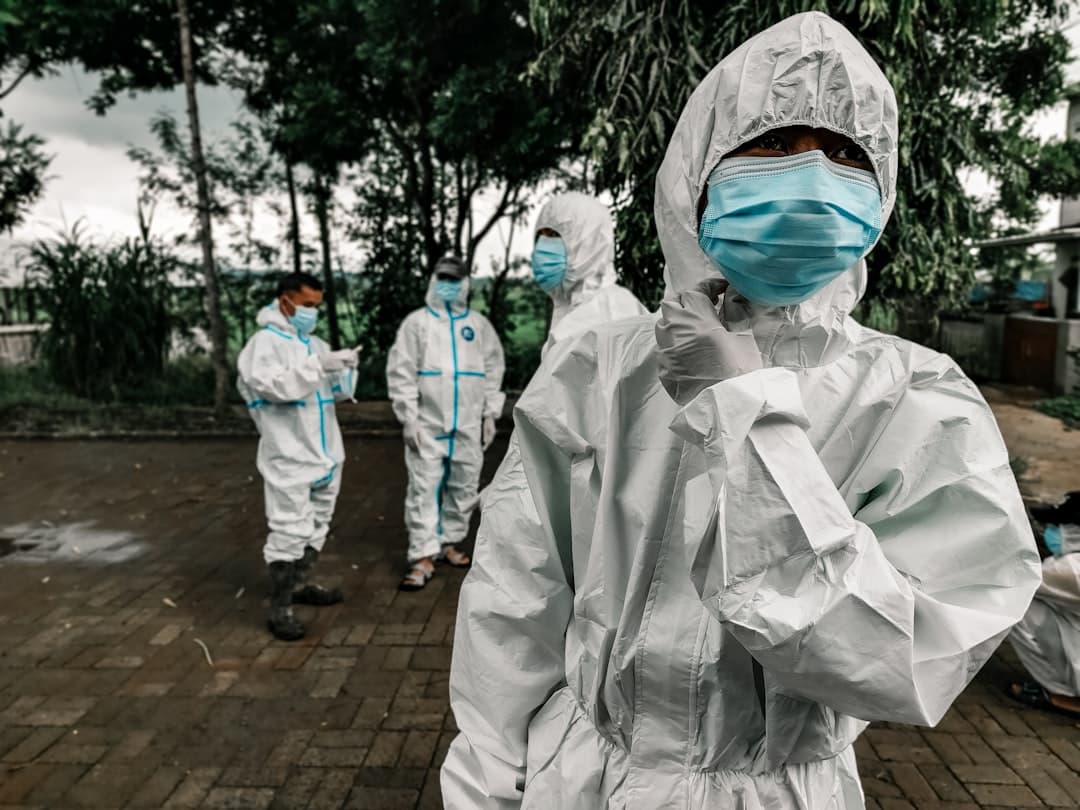
The numbers coming out of central Africa this week are grim. As of May 19, 2026, at least 131 people have died in what is now the largest known outbreak of the Bundibugyo strain of Ebola, a rare variant that has no approved vaccine and no proven treatment. More than 500 cases are suspected across the Democratic Republic of Congo and neighboring Uganda. The World Health Organization declared the situation a public health emergency of international concern on May 16, and the U.S. government has responded with travel restrictions and a major funding commitment. Here is everything we know right now.
The Outbreak Was Spreading for Weeks Before It Was Identified
That is probably the most alarming part of this whole situation. The first known case was a health worker in Bunia, a city in DRC's northeastern Ituri Province, who started showing symptoms on April 24. That person died. But it took until May 14 for lab results to confirm this was Ebola, and the DRC government didn't officially declare the outbreak until May 15. That is a nearly three-week gap between the first case and official recognition.
By the time the announcement came, there were already 246 suspected cases and 80 deaths. Boghuma Titanji, an infectious disease physician at Emory University, said the numbers immediately raised alarms. "This is an extraordinarily large number of deaths and suspected cases that was being reported in what was supposed to be a new outbreak," she said. In most recent Ebola outbreaks involving the more common Zaire strain, an official declaration comes after roughly 30 suspected cases and 15 to 20 deaths. This one blew past those numbers before anyone even had a confirmed diagnosis.
Why It Took So Long to Identify
The Bundibugyo virus is rare. It was only discovered in 2007 in western Uganda, and this is just the third known outbreak it has caused. Its genetic sequence is about 30% different from the more common Zaire strain of Ebola, which is the one most testing kits are designed to detect. Initial tests on early cases in Bunia came back negative for Zaire, which created confusion and delay.
Samples had to be sent to specialized labs, and that process was slowed even further by the ongoing armed conflict in the region. Ituri Province has been caught up in civil war for years, and getting anything in or out is difficult. On top of that, other illnesses were circulating at the same time, including arboviruses and influenza-like diseases, which masked the early warning signs. Four healthcare workers died within a four-day span at Mongbwalu General Referral Hospital before anyone realized Ebola was the cause.
Where the Numbers Stand Right Now
According to the CDC's latest update from May 19, the DRC and Uganda report a combined total of 536 suspected cases, 105 probable cases, 34 confirmed cases, and 134 deaths. In the previous 24 to 48 hours alone, 26 new confirmed cases and 143 new suspected cases were identified. Nine health zones in Ituri Province are now affected, and cases have been confirmed in the DRC capital of Kinshasa and the Ugandan capital of Kampala.
The DRC's health minister, Dr. Samuel Roger Kamba, reported 131 deaths and more than 500 suspected cases as of Tuesday. Uganda has confirmed two cases, including one death. The two Ugandan cases had no apparent connection to each other, but both individuals had recently traveled from DRC. A group of Ugandans who attended a burial in eastern DRC returned home and developed symptoms. They were taken to Fort Portal for treatment.
An American Doctor Has Tested Positive
Dr. Peter Stafford, an American physician who has been working as a Christian missionary at Nyankunde Hospital in Bunia since 2023, tested positive for the Bundibugyo ebolavirus on May 17. He was exposed during a surgery. The international aid group Serge, which Stafford works for, confirmed the diagnosis.
Stafford has been evacuated to Germany for treatment. His wife, Dr. Rebekah Stafford, and another physician who had contact with infected patients remain asymptomatic but are being monitored. The Stafford family, including four children, has been transferred to Germany for observation as well. None of them are scheduled to return to the U.S. at this time.
Matt Allison, executive director of Serge, told CBS News: "Peter's doing well, all things considered. He's sick. He's sad to be away from his family, but he's getting the best care available to him." Germany was chosen over the U.S. because of the shorter flight time and the country's previous experience treating Ebola patients.
No Vaccine, No Approved Treatment
This is what makes this outbreak especially difficult. The vaccines that exist for Ebola only work against the Zaire species. There is a global vaccine stockpile ready to deploy for a Zaire outbreak, but none of it is useful here. No vaccines, no approved drugs, and a shortage of even the right diagnostic tests.
Africa CDC put it bluntly in a statement this week: the Bundibugyo virus was identified nearly two decades ago, yet no medical countermeasures exist. "If this disease had predominantly threatened wealthier regions of the world, medical countermeasures would likely already be available," the organization said. The CDC's Biomedical Advanced Research and Development Authority (BARDA) is reportedly investigating two monoclonal antibodies that showed some promise in nonhuman primates, but nothing is ready for use in the field right now.
What the U.S. Is Doing
The American response has been swift, at least on paper. On May 18, the CDC and the Department of Homeland Security implemented enhanced travel screening and entry restrictions. The order, signed by Jay Bhattacharya (the NIH director who is also serving in a top CDC role), prohibits anyone who has been in DRC, Uganda, or South Sudan within the past 21 days from entering the United States. Exceptions are carved out for American citizens, U.S. military personnel, and anyone specifically exempted by DHS. The order is in effect for 30 days.
The State Department issued a Level 4 "Do Not Travel" advisory for DRC and is "strongly" urging Americans not to travel to Congo, South Sudan, or Uganda for any reason. On top of that, the U.S. announced it would fund up to 50 Ebola response clinics in affected regions of the DRC and Uganda, covering associated frontline costs. That represents a significant American financial commitment to containing the outbreak at its source.
The Conflict Zone Complicates Everything
Ituri Province is not an easy place to run a public health response. It is remote, war-torn, and difficult to access. WHO Director-General Tedros Adhanom Ghebreyesus said he is "deeply concerned about the scale and speed" of the outbreak, especially as aid workers struggle to reach hundreds of thousands of war refugees in besieged parts of the region. Hospitals in Bunia have been overwhelmed, and field hospitals are being established.
One confirmed case has appeared in Goma, the major city in eastern DRC, reported by a spokesperson for the Rwanda-backed AFC/M23 rebel coalition. Bunia and Rwampara are urban centers with a lot of population movement, and Mongbwalu is a mining town with connections across the country. According to researchers at Imperial College London, there is real risk of further spread to other parts of DRC, South Sudan, and Uganda due to the connectivity of the affected areas.
Questions About Whether Budget Cuts Played a Role
Some public health experts are asking uncomfortable questions about how this outbreak went undetected for so long. Jeremy Konyndyk, president of Refugees International and a former director of USAID's Office of U.S. Foreign Disaster Assistance, pointed to the detection delay as a key factor in allowing the virus to spread. A shrinking budget at WHO, partly due to the U.S. withdrawal, has reduced the size of WHO's international emergency division. The CDC reportedly only learned about the outbreak on May 14, the day before the DRC officially announced it.
The State Department has denied that USAID reforms negatively impacted the Ebola response. Epidemiologist Jennifer Nuzzo has speculated that cuts to global health programs may have contributed to the delay in detection. Whether those debates lead to any policy changes remains to be seen. For now, the focus is on containing an outbreak that is already the largest Bundibugyo outbreak in recorded history.
What Happens Next
Uganda has temporarily banned handshakes, hugs, and unnecessary physical contact. The European Centre for Disease Prevention and Control is sending experts to the region. Rapid response teams, medical supplies, and lab resources are being deployed. Community engagement is critical because unsafe burial practices have been linked to a large number of deaths, and individuals with the disease are most contagious around the time of death.
The CDC says the overall risk to Americans remains low, and no cases have been confirmed in the United States. But with a 21-day incubation period, global air travel, and a virus that went undetected for weeks in a conflict zone, officials are not taking chances. The 30-day travel restriction is in effect, and the CDC is working with airlines, health departments, and hospitals across the country to ensure readiness. This is DRC's 17th Ebola outbreak since 1976, but this one is different. No vaccine. No treatment. And a head start that the virus should never have had.
Most read
This week
Entertainment
Jim Bakker, Televangelist Who Went to Prison for Fraud, Dies at 86
Crime
Marine Devin Ballard Arrested in Okinawa Hotel Killing of Anna Yagi
Politics
Dennis Hastert, House Speaker Who Went to Prison, Dies at 84
World
Coast Guard Suspends Search for 6 on Air Ambulance Off Nantucket

Crime
Sky Whatley Charged With Simple Battery Over Onstage Slap