Elon Musk Becomes World's First Trillionaire After SpaceX IPO
One stock ticker just pushed a single man past a line no human had crossed.

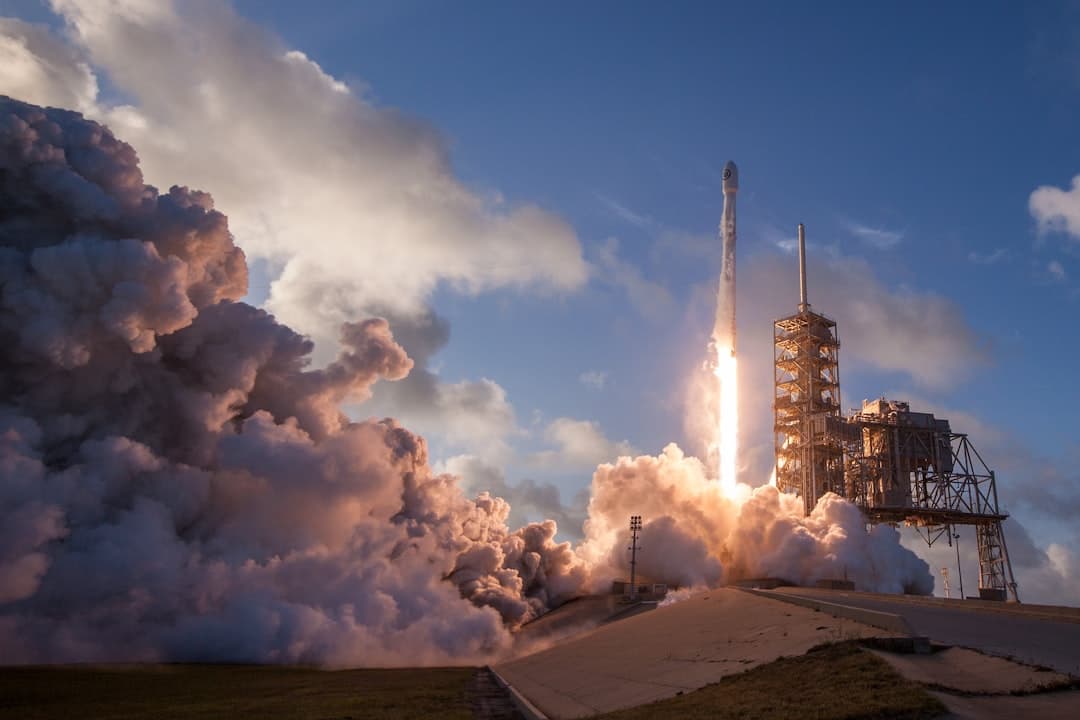
On Friday, June 12, 2026, a guy who started a rocket company inside a warehouse in El Segundo crossed a line no human being had ever crossed. Elon Musk became a trillionaire. Not a billionaire with a fat bank account. A trillionaire, with a T, the first one ever recorded.
It happened the moment SpaceX started trading on the Nasdaq under the ticker SPCX. The stock priced at $135 a share, opened higher, and then took off. By its intraday high of $168.75, Musk's net worth sat at roughly $1.18 trillion. The company's president, Gwynne Shotwell, rang the opening bell, and people on the trading floor actually cheered.
The Math Behind the First Trillion
Here's how the numbers stack up. Musk owns about 4.8 billion shares of SpaceX, roughly 42% of the whole thing. At $135 a share, that pile alone is worth around $648 billion. He also holds 350 million stock options he can buy at $8.39 each, which tack on another $44 billion or so.
Then there's Tesla, the company that built most of his fortune through 2021. That stake is worth somewhere around $280 billion now. Add it all up and you land at roughly $1.05 trillion. Before the IPO, Forbes had him at about $813 billion. To put that in perspective, the second-richest person on Earth, Google co-founder Larry Page, is worth around $288 billion. Musk is now worth more than the next five richest billionaires combined.
The Biggest IPO Anyone Has Ever Seen
SpaceX didn't just go public. It went public bigger than any company in history. The offering sold 555.6 million shares at $135 each and raised about $75 billion. That's the largest IPO ever, full stop. Goldman Sachs ran the deal, and the whole thing valued SpaceX at roughly $1.77 trillion.
At that price, SpaceX instantly became the sixth most valuable company in the United States, edging past oil giant Saudi Aramco. And the demand was wild. The offering was four times oversubscribed, with regular retail investors alone placing $100 billion in orders. Everyday people could grab shares through brokerages like Robinhood, Fidelity, Charles Schwab, SoFi, and E*TRADE, though good luck getting the full amount you asked for.
The 'Elon Premium' Nobody Can Really Explain
Now here's the part that makes Wall Street analysts rub their temples. SpaceX is not a money machine. The company reported a net loss of $4.94 billion in 2025, and it has piled up a total deficit of $41.3 billion since it was founded in 2002. Its full-year revenue was about $18.67 billion. That sounds like a lot until you realize Meta pulls in around ten times that, and Meta is valued at roughly the same level.
So how does a company that loses billions get a $1.77 trillion price tag? Analysts have a name for it: the "Elon Premium." One veteran IPO analyst said the valuation "would certainly throw all traditional valuation methodologies out the window." The stock is trading at nearly 100 times its revenue. A big chunk of the story came in February 2026, when SpaceX absorbed Musk's AI company xAI, which brought along the Grok models, a stack of data centers, and the social network X. That deal alone added the AI angle investors went nuts for.
What a Trillion Dollars Actually Looks Like
Billions are already hard to picture. A trillion breaks your brain. Musk's fortune is now worth roughly 3% of the entire United States economy. His personal net worth is larger than the total yearly output of countries like Taiwan, Ireland, or Sweden. Only about 20 nations on Earth have economies bigger than $1.1 trillion.
An economic historian at Bocconi University in Italy tried a different way to measure it. He calculated how much human labor each fortune could buy. By his math, Musk could command the work of about 557,800 people. Compare that to John D. Rockefeller, who could command roughly 116,000 workers in 1937, or Andrew Carnegie at 48,000 back in 1901. By that measure, Musk may be the wealthiest private individual who has ever lived, kings and emperors aside.
The Welders Who Woke Up Rich
Musk wasn't the only one cashing in. About 4,400 SpaceX workers could become millionaires now that the stock trades publicly, and a few executives became flat-out billionaires. What makes this interesting is who some of those workers are. We're not just talking software engineers in hoodies. We're talking welders, machinists, electricians, the people who actually build the rockets.
The CEO of a trade-skills company put it bluntly: "It's just as hard to find good welders and good machinists as it is a software developer." Still, a Georgetown accounting professor threw cold water on the idea that this is some new blue-collar wealth model. "Nothing that I can see in the filing suggests a novel blue-collar equity model," he said. "This is largely venture-backed compensation attached to a company that happens to build rockets." And those paper millionaires can't just cash out. Lockup periods limit when employees can sell, the stock can swing hard, and taxes will take a bite.
More Powerful and More Disliked Than Ever
This milestone lands at a strange moment for Musk. He's never been more powerful, and he's never had more enemies. He spent much of 2024 funding Donald Trump's presidential campaign, somewhere around $300 million. Then he stepped into the administration to run the so-called Department of Government Efficiency. He's also locked in a long-running feud with OpenAI's Sam Altman.
The way he built his companies gives him an iron grip. At SpaceX, he controls more than 80% of the voting power even though he owns about 42% of the equity. He can hand-pick the board and has set things up to make legal challenges extremely tough. Critics see all this and worry. Oxfam America's senior director of economic justice warned the offering could push wealth concentration to historic levels. There's also the Giving Pledge, the promise to give away most of your fortune that Musk signed in 2012. According to reports, his old PayPal partner Peter Thiel privately urged him to back out of it.
Why the Title Could Disappear Just as Fast
Here's the asterisk on the whole thing. This is wealth on paper. More than 90% of Musk's fortune is tied up in equity in companies he controls or co-founded, and he earns no real salary from any of them. His SpaceX shares are also locked up for 366 days, longer than the standard 180-day window, so he literally cannot sell them right now even if he wanted to.
And the stock could come back down to earth. The average 12-month analyst price target for SpaceX is $139.33, with one low estimate sitting at just $63. From where the stock peaked on opening day, that points to real downside risk baked into the price. If the shares slip, Musk could slide right back below the trillion-dollar mark just as quickly as he crossed it.
Standing on the Nasdaq before the bell rang, Musk sounded almost humble about it. "It is certainly hard to believe a little company that started in a warehouse in El Segundo is now going public with the largest IPO ever," he said. He once gave SpaceX less than a 10% chance of ever working. On June 12, 2026, that long shot made him the richest person who has ever lived. Whether the title sticks is another question entirely.
Most read
This week