Flight Diverted After Passenger Triggers Ebola Panic
One passenger should never have been on that plane.

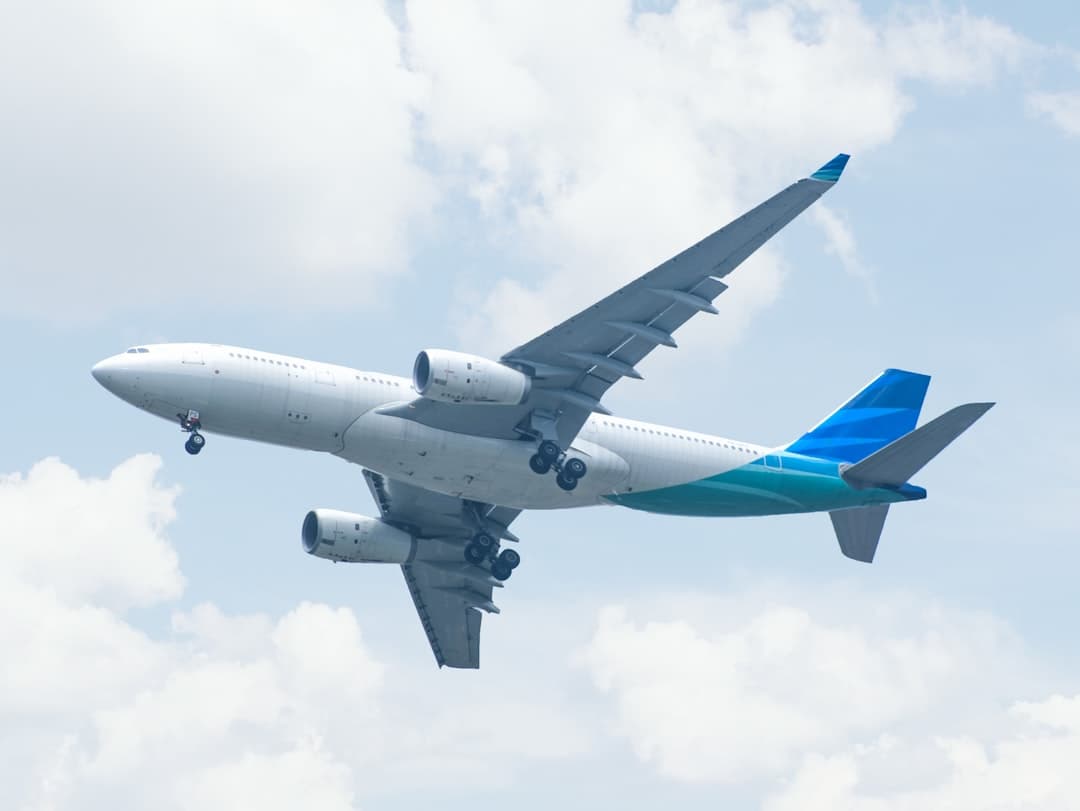
On Wednesday, May 20, 2026, passengers aboard Air France Flight AF378 from Paris to Detroit got a mid-air surprise nobody wants. The pilot came on the intercom and told everyone that U.S. authorities were refusing to let the plane land in Detroit. Just like that, a routine transatlantic flight turned into something out of a movie.
The reason? A single passenger from the Democratic Republic of the Congo had been allowed to board the plane in Paris when they absolutely should not have been. With new federal Ebola entry restrictions in place for just two days at that point, this was a serious oversight. And U.S. Customs and Border Protection was not about to let it slide.
What Actually Happened on Flight AF378
Flight AF378 is a Boeing 777-200 that can carry up to 312 passengers. It left Paris Charles de Gaulle at 4:00 p.m. local time, heading for Detroit Metropolitan Wayne County Airport like it does on a regular schedule. Many of the passengers had booked through Delta Air Lines, which has a codeshare agreement with Air France.
Somewhere over the Atlantic, things changed. A passenger on board later described the moment the pilot made the announcement: "US authorities are not allowing us to land in Detroit." That's it. No further explanation right away. Then a flight attendant mentioned something about a virus, and the crew started putting on masks.
The plane's WiFi was shut off 54 minutes before what would have been the original arrival time. Passengers were told to stay in their seats until Canadian authorities gave the green light to land. The flight was rerouted to Montreal Trudeau International Airport, where it touched down shortly after 5:15 p.m. ET.
Air France Says It Was a Boarding Error
Air France did not try to sugarcoat the situation. The airline confirmed that a Congolese passenger had been boarded "in error" on a flight to the United States. Under the brand new federal rules, that passenger with a Congolese passport was not cleared to land in Detroit.
The airline put out a statement saying: "There was no medical emergency on board, and like all airlines, Air France is required to comply with the entry requirements of the countries it serves." In other words, nobody on the plane was sick. Nobody was showing symptoms of anything. This was a paperwork and protocol failure at the gate in Paris, not an in-flight crisis.
But try telling that to 311 other passengers who just heard their pilot say the U.S. government won't let the plane land, while flight attendants are suddenly wearing masks and the WiFi goes dark.
CBP Called It "Decisive Action"
U.S. Customs and Border Protection was blunt about why the flight got turned away. A CBP spokesperson said the agency "took decisive action" by prohibiting the flight from landing at Detroit Metro Airport. The statement read: "Due to entry restrictions put in place to reduce the risk of the Ebola virus, the passenger should not have boarded the plane."
CBP did not say whether the passenger had been showing any symptoms or when exactly they had last been in the DRC. What they did make clear is that the rules are the rules, and they weren't going to make exceptions. The passenger was dropped off in Montreal, and the plane eventually continued on to Detroit, finally landing just after 8 p.m. That is roughly three hours later than scheduled, plus an unplanned stop in Canada.
The Travel Restrictions That Triggered the Diversion
Just two days before this flight, on May 18, the CDC issued an emergency order restricting entry into the United States for most non-U.S. citizens who had been in the Democratic Republic of the Congo, South Sudan, or Uganda within the previous 21 days. The order was issued under Title 42 authority and is set for an initial 30-day period.
U.S. citizens, nationals, and lawful permanent residents can still enter the country after traveling to those nations. But most foreign nationals are barred. And for those who are allowed in, they can only enter through Washington Dulles Airport (IAD), where they go through enhanced screening. Detroit is not on that list. So even if this passenger had somehow been eligible, Detroit was the wrong destination.
The fact that Air France let the passenger board in Paris suggests a gap in how the airline was checking passengers against the new restrictions. These rules had only been active for 48 hours, which might explain the mix-up. But it does not excuse it.
Why the Rules Exist Right Now
The travel restrictions came about because of a rapidly spreading Ebola outbreak in central and east Africa. The WHO declared it a "public health emergency of international concern" on May 16, which is the organization's highest level of alarm. As of May 20, there were more than 600 suspected cases and at least 139 suspected deaths, most of them in the DRC.
What makes this outbreak different from some previous ones is the strain involved. This is the Bundibugyo variant of Ebola, a rare strain first identified in Uganda back in 2007. Unlike the more well-known Zaire strain, there is currently no approved vaccine and no specific treatment for Bundibugyo. Previous outbreaks involving this strain have had fatality rates between 30% and 50%.
Making things worse, early field diagnostic tests in the DRC were only designed to detect the Zaire strain. So initial samples came back negative, which delayed confirmation of what was actually happening on the ground. The outbreak started in Mongwalu, a mining area in Ituri province, and has since spread to 11 health zones, with suspected cases showing up as far away as Kinshasa, the capital, roughly 1,000 kilometers from the epicenter.
An American Doctor Already Infected
Adding urgency to the whole situation, an American physician named Peter Stafford, who had been treating patients at a hospital in Bunia since 2023, tested positive for the Bundibugyo strain on May 17. Stafford works for an international Christian aid organization called Serge. Two other doctors working for the same charity, including Stafford's wife, also had exposure to infected patients.
Stafford was not brought back to the United States. Instead, he was evacuated to Germany for treatment under a cooperation agreement between the State Department and German authorities. His family, including four children, and the other exposed doctor were transferred to Europe for observation. Six other asymptomatic Americans with high-risk exposure were also medically transported to Germany and the Czech Republic.
The CDC's incident manager for the Ebola response, Dr. Satish K. Pillai, said during a May 20 press conference that European facilities were chosen over domestic isolation units due to "dynamic circumstances" and the need to move people quickly. That decision itself raised eyebrows.
How the Passenger Could Have Ended Up on That Plane
This is the part that probably concerns people the most. Air France does not fly directly to the DRC countries named in the CDC order. But it does operate regular flights to Kinshasa, which is in the neighboring Republic of Congo, right on the border with the DRC. Passengers from Kinshasa can easily connect through Paris to onward flights heading to the United States.
So the likely scenario here is that someone flew from central Africa to Paris, then tried to connect to the Detroit flight. The new entry restrictions had only been active since May 18. It is entirely possible that Air France's gate agents in Paris had not yet fully implemented the screening protocols for the new rules, or that the passenger's travel history was not flagged properly at check-in.
Either way, the failure happened on the ground in Paris, not in the air. By the time anyone realized the problem, the plane was already over the Atlantic.
What Passengers on That Flight Went Through
Put yourself on that plane for a second. You are on a routine transatlantic flight, maybe watching a movie or napping, and suddenly the captain tells you that the U.S. government has barred your aircraft from landing at its scheduled destination. The crew starts wearing masks. The WiFi gets cut. Nobody will tell you much of anything except to stay seated while they figure out if Canada will accept the plane.
Air France later said onboard services were suspended before landing in Montreal. So no more drink carts, no more snacks, just a quiet cabin full of people wondering what exactly was going on. After landing in Montreal, the Congolese passenger was removed from the flight, and the plane eventually took off again for Detroit.
For the roughly 311 other people on that flight, it was an extra three hours of travel, an unscheduled stop in another country, and a story they will be telling for years. Nobody was ill. Nobody was in danger. But the panic was real, and it is hard to blame them.
The Bigger Picture for Air Travel Right Now
This incident is going to be a wake-up call for airlines operating routes that connect through hubs where passengers from affected countries might be boarding. Air France flies to Kinshasa several times a week. Those passengers connect through Charles de Gaulle to dozens of destinations, including multiple U.S. cities.
The CDC has said it will coordinate with international partners and airlines to improve screening, contact tracing, and compliance with the new travel restrictions. But as this flight proved, a two-day-old policy can have gaps, and those gaps play out at 35,000 feet over the ocean.
For now, the entry restrictions are in effect for 30 days. The only approved entry point for travelers from affected regions is Dulles Airport in Virginia. And if you are flying internationally through any European hub in the coming weeks, do not be surprised if boarding takes a little longer than usual. Airlines are going to be checking passports and travel histories a lot more carefully after this one.
Most read
This week
Crime
Christa Pike Awake and Speaking After Tennessee Execution Fails
Politics
Seven Senate-Confirmed Treasury Officials Exit Amid Bessent Outbursts
Entertainment
Jim Bakker, Televangelist Who Went to Prison for Fraud, Dies at 86
Crime
Marine Devin Ballard Arrested in Okinawa Hotel Killing of Anna Yagi
Politics
Dennis Hastert, House Speaker Who Went to Prison, Dies at 84