USDA Confirms First US Screwworm Case in Decades on Texas Ranch
The first case in decades just changed everything for Texas ranchers.

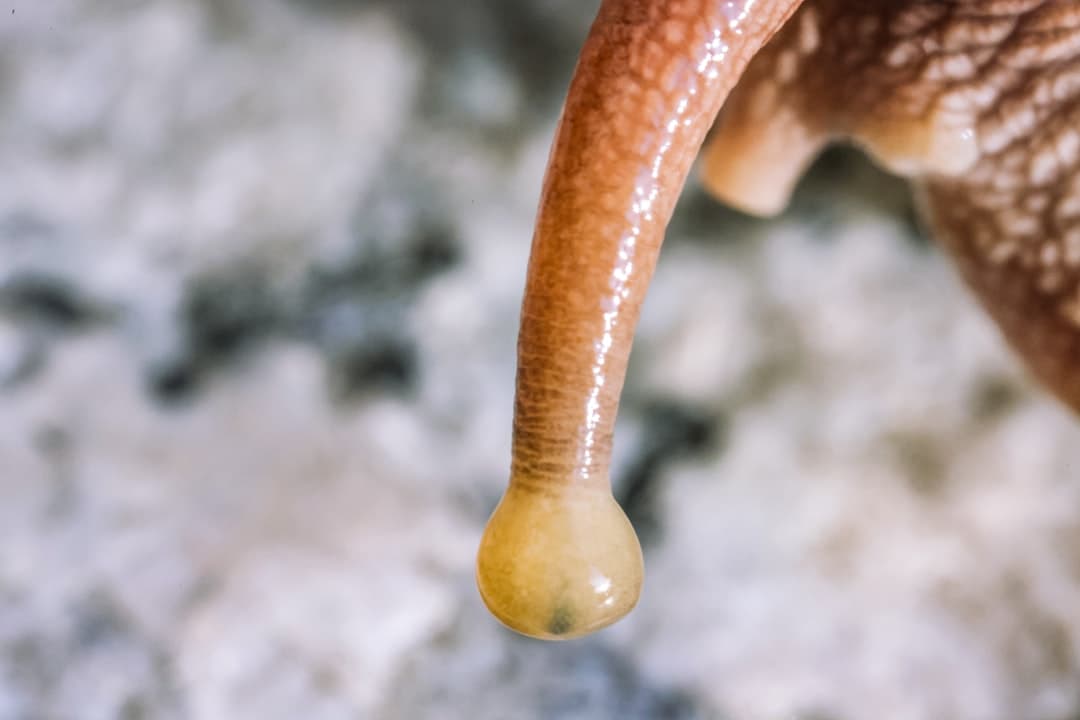
On June 3, 2026, the USDA confirmed something that livestock producers across the American Southwest had been dreading for over a year. A three-week-old calf on a ranch in La Pryor, Texas, tested positive for New World screwworm. It's the first confirmed case in U.S. livestock in decades, and the fallout could hit your wallet hard at the grocery store.
This isn't some exotic curiosity. The New World screwworm is a parasitic fly whose larvae literally eat the living tissue of warm-blooded animals. Cattle, horses, dogs, deer, goats. If it's warm and breathing, it's a potential target. And while officials scrambled to set up quarantine zones and release sterile flies, the reality is that this tiny pest has the potential to cause billions of dollars in damage to the Texas economy alone.
What Exactly Was Found in La Pryor
La Pryor sits in Zavala County, deep in South Texas, roughly 50 miles from the Mexican border. Samples were taken from two calves on the same ranch on Tuesday, June 2, and sent to the USDA's National Veterinary Services Laboratories in Ames, Iowa. The confirmation came the next day. The infected calf was just three weeks old.
Texas Representative Don McLaughlin had already called attention to a suspected infestation at the ranch before the official results came in. He'd seen photos and videos of the affected animals. Once the lab results came back positive, it set off a chain reaction of federal and state responses that had been rehearsed and planned for months.
How the Screwworm Actually Works
Here's what makes this parasite so disturbing. Female screwworm flies seek out open wounds on warm-blooded animals. Could be a scratch from barbed wire, a fresh brand mark, even the navel of a newborn calf. They lay their eggs right in the wound. The larvae hatch and start feeding on the living flesh of the animal, burrowing deeper as they grow. Left untreated, the infestation can damage vital organs, cause severe bacterial infections, and kill the host.
It's not contagious in the traditional sense. One cow doesn't pass it to another. The fly does all the work. But a single female can lay up to 400 eggs at a time, and in warm climates, the cycle repeats fast. That's what makes this confirmation such a big deal. One case means the flies are here. And where there's one, there are usually more.
The Parasite Had Been Creeping Closer for Over a Year
This didn't come out of nowhere. The New World screwworm had been spreading northward through Central America and Mexico for the better part of two years. Mexico reported its first case in 2024. By early 2026, there were over 1,700 active cases in Mexican animals, according to Mexico's agricultural agency SENASICA. The majority were in cattle (913 cases), but dogs (455), swine (136), and horses (88) were hit too.
By May 2026, at least 206 active cases had been identified in the Mexican border states of Nuevo León and Tamaulipas, which sit right against Texas. Texas Agriculture Commissioner Sid Miller put it bluntly: "This is now the northernmost active case in Mexico, and that puts Texas squarely in the crosshairs."
Just days before the Texas detection, a case was confirmed in the Mexican state of Coahuila, roughly 25 miles south of the Texas border. The writing was on the wall.
The Federal Response Was Immediate
To their credit, state and federal officials didn't waste time. Texas State Veterinarian Bud Dinges established a 12-mile quarantine zone around La Pryor. No warm-blooded animal, including pets, can be moved outside that zone without an inspection. The USDA activated on-the-ground personnel and began coordinating with state and local partners.
USDA Secretary Brooke Rollins held a briefing and urged calm. "If we all work together and follow the animal treatment protocols and movement restriction guidance, there is no reason to believe that this incursion will result in an establishment of the pest in our country," she said. She also noted that when properly treated, even the infested calf should recover.
The agency also began expediting targeted releases of sterile flies, which is the main weapon against screwworm. More on that in a minute.
Sterile Flies: The Bizarre but Proven Weapon
The U.S. actually eliminated the New World screwworm from its borders back in 1966, and the method is wild. Scientists rear millions of screwworm flies in a factory, sterilize the males with gamma radiation at the pupal stage, then release them by the millions into affected areas. Female screwworm flies only mate once in their lives. If they mate with a sterile male, they lay eggs that never hatch. Flood an area with enough sterile males and the population collapses.
Right now, the only production facility for sterile flies is in Panama, churning out about 100 million sterile flies per week. But the U.S. has been building out new infrastructure. A sterile fly dispersal facility at Moore Air Force Base in Edinburg, Texas, was completed in February 2026. A full production facility is being built on the same base, with a projected capacity of 300 million sterile flies per week. It's expected to be operational by November 2027.
The USDA is also investing $21 million to renovate a fruit fly facility in Metapa, Mexico, converting it for screwworm fly production. That facility could start producing 60 to 100 million sterile flies per week as early as the summer of 2026. And a dispersal facility opened in Tampico, Mexico, in November 2025, allowing aerial dispersal across northeastern Mexico.
Your Grocery Bill Is About to Feel This
If you've been grumbling about the price of ground beef or steak lately, brace yourself. Beef prices have already increased 57 percent since 2020. During just the first four months of 2026, they climbed another 3 percent. The USDA was already projecting steer prices to rise a further 7.7 percent this year before the screwworm showed up.
The U.S. cattle herd is at a 75-year low, about 86.2 million head, the fewest since 1951. Texas alone accounts for 14 percent of the national supply, making it the largest cattle-ranching state in the country. A screwworm outbreak here would be like a hurricane hitting the most populated city in the state. The damage would ripple outward fast.
The Federal Reserve Bank of Dallas laid out the economic scenarios in a report published about two weeks before the Texas confirmation. In the short run, beef supply could actually increase if ranchers sell off herds to reduce their exposure to the parasite. Prices might even dip briefly if consumers get spooked and stop buying beef. But in the medium to long run, fewer cattle means less beef, and less beef means higher prices. One estimate pegged the potential damage to Texas' economy alone at $1.8 billion.
This Isn't Just About Cattle
While the beef industry is getting most of the attention, the screwworm doesn't care what species its host is. Dogs, cats, horses, deer, wild hogs. Anything warm-blooded with an open wound is fair game. Secretary Rollins urged pet owners near affected areas to keep a close watch for signs of discomfort, open wounds, or larvae near body openings.
Vets in Texas, Arizona, and New Mexico have been told to stay alert for new infections. One veterinary expert raised the concern that pets crossing the border from Mexico still face very limited oversight, which could be a way for the parasite to slip into the country undetected.
The hunting industry is also at risk. Texas is home to some of the most popular deer hunting in the country, and wild deer populations would be vulnerable to screwworm if it spreads. That's another economic layer that doesn't get talked about enough.
How Officials Had Been Preparing
This wasn't a surprise. Officials had been watching the screwworm march north through Mexico for more than a year. The U.S. closed its southern border to livestock imports back in July 2025. Texas Governor Greg Abbott declared a disaster in January 2026. Two briefings on the screwworm threat had already been held on Capitol Hill since the start of the year.
Secretary Rollins said that if the border hadn't been closed when it was, the screwworm would likely have reached U.S. soil by the summer of 2025. That decision bought the country nearly a year of preparation time. Meanwhile, 8,000 fly traps were set at and near the border, and 58,000 fly samples had been collected before the Texas case, all of which tested negative.
The $750 million facility being built in South Texas is the cornerstone of long-term defense. When it reaches full capacity in 2028, it should produce 300 million sterile flies per week. That's the kind of firepower that eradicated the pest the first time around.
What Happens Next
Right now, the quarantine zone is in place, sterile flies are being released, and officials say no further detections have been made beyond the La Pryor ranch. The infected calf is being treated and is expected to recover.
But traders and ranchers aren't relaxing. Cattle futures have been jumpy, and market watchers note that even the rumor of screwworm in the U.S. was enough to rattle prices before the confirmation came in. The combination of a 75-year herd low, record beef prices, and now a confirmed case of the most feared livestock parasite in the Western Hemisphere is, to put it mildly, bad timing.
If the sterile fly strategy works as it has before, this could be contained. But if it doesn't, the consequences for American agriculture, and for anyone who buys beef at the supermarket, could be severe. The last major U.S. outbreak in 1972 saw an estimated 90,000 cases. Nobody wants to see those numbers again.
Most read
This week

Crime
Armed Bystander Kills Teen Gunman After 4 Die at Oregon School

Crime
Jammed Rifle Stopped Aurora Temple Attack, Prosecutors Say

Politics
Trump Administration Seeks to Strip Ilhan Omar of Citizenship

Crime
Police Hunt Gunman After Second Shooting at Bakersfield TV Station

Sports
Mike Tyson Recounts Repeated Overdoses in New Netflix Docuseries