Truck Flips in Texas, Releasing 2 Million Honeybees
A quiet Texas Sunday turned upside down over one wrong turn near the Louisiana border.

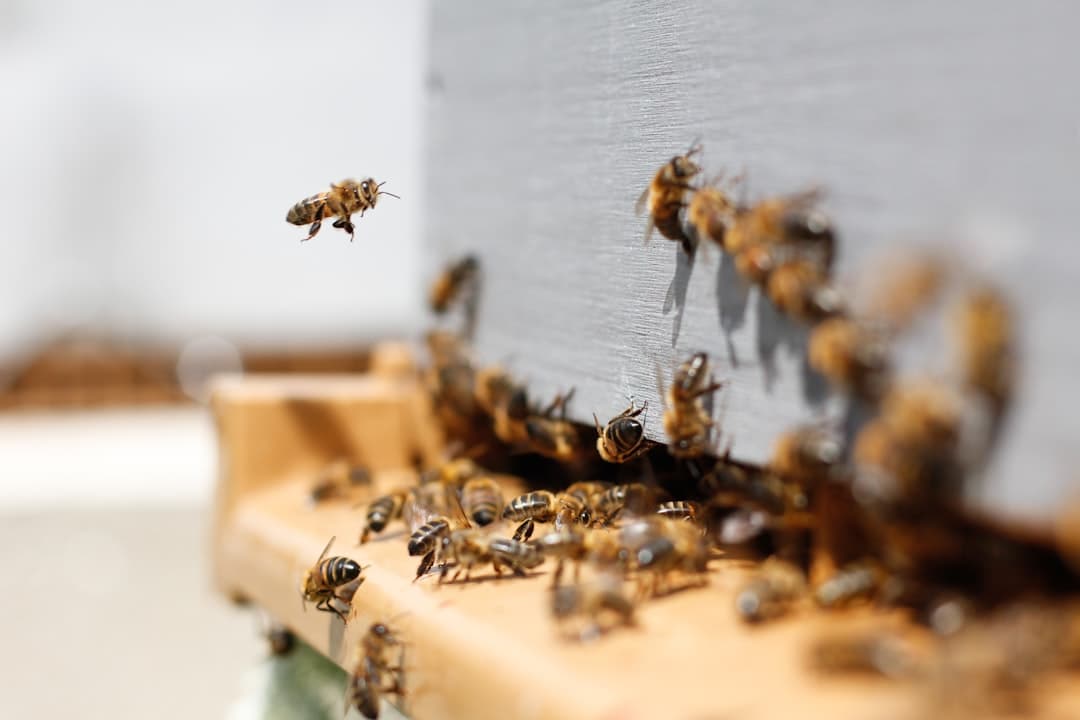
Imagine you're sipping coffee on a quiet Sunday morning when your phone buzzes with a warning from the county: stay inside, seal your windows, there are bees everywhere. That actually happened to a handful of families in Orange County, Texas, on June 21, 2026. An 18-wheeler hauling around 400 beehives flipped over in a rural neighborhood near Mauriceville, and roughly 2 million honeybees came pouring out into the air all at once. What followed was part traffic accident, part emergency response, and part backyard rescue mission that pulled in beekeepers from across the area.
One Wrong Turn Started the Whole Mess
The crash wasn't caused by some freak storm or a blown tire. It came down to a simple wrong turn. According to a local radio report, the driver was hauling about 50,000 pounds of bees when he ended up on roads that were too narrow for a rig that size. When he tried to make a sharp corner near the intersection of Colony Drive and FM 1130, the truck couldn't handle it and rolled into a ditch. The good news for the driver is that he walked away uninjured. The bad news is that the impact ripped open the hives stacked on the trailer, and each one held somewhere between 60,000 and 80,000 bees. Do the math on 400-plus hives and you get a cloud of insects that turned a sleepy subdivision into a no-go zone for hours.
"Please Remain Indoors"
Orange County Emergency Services District 4 didn't waste time. They posted a blunt warning on Facebook that pretty much said it all: "Everyone that lives in the 1130/Colony Dr. area please remain indoors. An 18 wheeler carrying beehives has turned over and there is a heavy presence of bees in the area." Officials told residents living near Colony Drive to close their windows and stay put while crews tried to get a handle on things. Two roads at the back of the neighborhood were shut down. For a while, the sky around the crash site was thick with agitated bees, and you can guess that nobody was strolling out to check the mail. Photos from the scene showed swarms gathering on nearby fences and trees as the insects looked for somewhere new to land.
Beekeepers Came From Everywhere
Here's the part that makes this story worth telling. The first responders who showed up were not exactly dressed for a face-off with millions of bees. So the county called Christie Ray, who owns Queen Bee Supply in Orange, and asked her to bring protective gear. She showed up with bee suits and handed them out to firefighters and deputies who otherwise had no way to get close to the wreckage. Then word spread through the beekeeping community, and people just started showing up. Three commercial beekeeping operations sent crews. Backyard hobbyists pitched in too, including a volunteer firefighter. Ray told reporters that volunteers from three or four other businesses came out to help. "They just help each other, that's what they do," she said of the effort. "The beekeeping community is a great community." In a strange twist, one of the commercial beekeepers who rushed to help turned out to be the owner of the bees on the truck.
Only a Quarter of the Hives Might Make It
For all the teamwork, the numbers are rough. Chris Moore, who owns Moore Honey, brought his son and several employees to help with the recovery. His honest estimate? Only about a quarter of the 408 hives are expected to survive. Whether a colony pulls through mostly depends on one tiny but mighty insect: the queen. If the queen survives the crash, the rest of the hive has a leader and a reason to stick together. If she dies, the whole colony is thrown into chaos. Beyond the bees themselves, there's a real bill attached to a loss like this. The keeper isn't just out the hives, they're out all the honey and pollination income those hives would have brought in. "It's a big loss," Moore told reporters. "Any time you lose that many in one shot, it's a big loss." For a working apiary, that kind of hit can sting long after the last bee clears out.
These Bees Were on a Cross-Country Trip
You might be wondering why 2 million bees were riding down a Texas back road in the first place. They were commercial pollinators, and they were headed all the way to North Dakota. This is normal in the beekeeping business, even if most people never think about it. Large operations load up their hives and truck them around the country to follow the work. They'll haul colonies to California to pollinate almond orchards, then chase blooming seasons across the South and Midwest for honey production. It's a huge logistics operation that keeps a big chunk of American agriculture running. Those almonds, melons, and apples you buy at the store didn't pollinate themselves. So while a flipped truck full of bees sounds like an oddball local story, it's really a snapshot of an industry that's constantly moving hives from one state to the next, mostly out of sight.
One Photographer Got Stung Doing His Job
Not everyone made it through the day untouched. A photographer for KFDM-TV, the CBS affiliate in Beaumont, got close enough to capture video of the swarm and paid for it with a sting. Reports say he was stung once while filming, which is honestly a small price given how many bees were buzzing around. As of the initial reports, officials hadn't released a count of how many stings the first responders and neighbors picked up, and there were no reports of serious injuries. That tracks with what beekeepers say about a swarm like this. When bees suddenly lose their home, they're usually more confused than angry. Their main goal is to find a new place to settle, not to come after people. Still, a few million of them flying loose at once is going to cause some chaos, and getting that footage clearly meant taking a hit or two.
What to Do If You Walk Into a Swarm
Most of us will never stumble into 2 million loose bees, but swarms do pop up in spring and early summer when colonies split off to find new homes. Fire officials gave simple advice for that situation: if you run into a swarm, get away from it fast, find somewhere to hide, and protect your head and face. Don't swat at them, and don't stand there filming like a news photographer with a deadline. Beekeepers point out that a swarming cluster is often calmer than people expect because the bees are loaded up and focused on relocating, not defending a hive full of honey. After a crash like the one in Orange County, local keepers also set out what they call catch boxes, basically empty hive boxes meant to lure stray bees into a fresh home. It's a low-tech trick that helps round up the stragglers without anyone getting chased down the street.
Most of the Bees Are Already Gone
If you're picturing that neighborhood still under siege, relax. The recovery moved fast. Crews worked to lift the hives off the wrecked trailer and load them onto other transport trucks, which then hauled the survivors to a local honey farm. By Sunday afternoon, officials posted an update saying about 75% of the hives had already been unloaded. Cleanup stretched into Monday as crews chased down the swarms still clustering on fences and trees, but the worst of it was over within hours. Roads stayed closed and residents were told to keep avoiding the crash site, yet the lockdown lifted and life mostly returned to normal. The keepers who lost colonies are out a lot of money, and plenty of bees didn't survive the rollover. Even so, the part people will remember is how fast a wrecked truck on a narrow road turned into dozens of folks in bee suits, working side by side to save what they could. As one of them put it, that's just what beekeepers do for each other.
Most read
This week

Entertainment
Michael Douglas Says He Hid Kathleen Turner Affair for 40 Years

Crime
Nathalie Belizaire Charged After 4 Children Found Alone During Cruise

Crime
Two Oxford Vape Clerks Charged in Ole Miss Kratom Investigation

Crime
Sinema's Ex-Bodyguard Arrested Again Over Knife at Phoenix Gun Shop

Entertainment
Judge Grants Restraining Order Against Halle Berry Over Choking Claim