USDA Confirms Screwworm in Texas Elk, First US Wildlife Case
A hunter in West Texas reported one elk, and the search for the parasite now reaches into the wild.

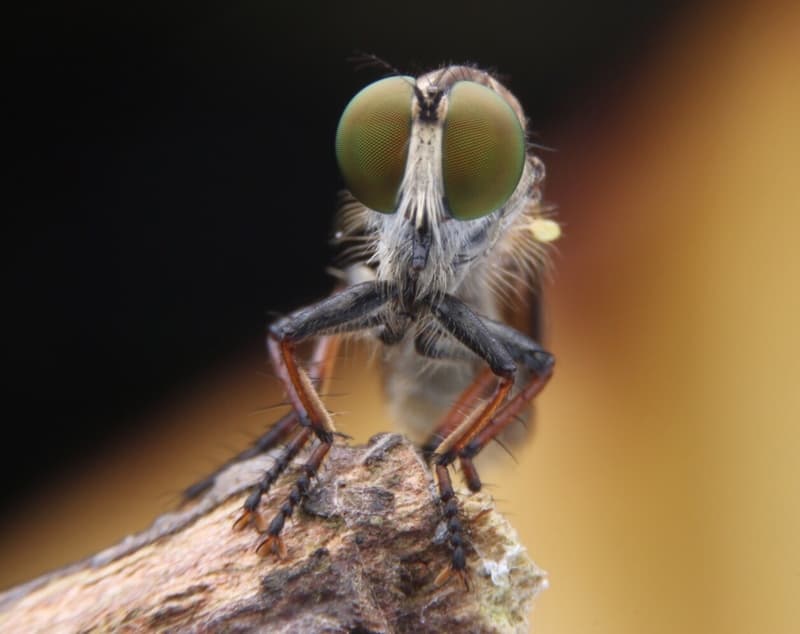
The U.S. Department of Agriculture has confirmed the first case of New World screwworm in U.S. wildlife in the current outbreak, found in a female elk on a game ranch in Pecos County, Texas.
The elk was reported after a hunter harvested it, the USDA's Animal and Plant Health Inspection Service said. The agency announced the detection on Oct. 21.
The Texas Animal Health Commission will modify a previously established infested zone because of the finding. The USDA and the Texas Parks and Wildlife Department have begun additional wildlife surveillance around the ranch.
A beef cow in New Mexico the same day
New Mexico authorities separately confirmed a case of New World screwworm in a beef cow in Otero County. The state's Department of Agriculture said officials have set a minimum 12.4-mile (20 km) radius infested zone around the affected animal's location.
Inside that zone, animals have to be inspected and, if needed, treated before they can be moved within it or out of it. State and federal officials said they were expanding surveillance and fly-trapping around the affected locations to find any additional cases and to work out whether the pest had spread past the two animals.
What hunters are being told to look for
Officials listed the warning signs for anyone handling an animal in the field: visible maggots in wounds, foul-smelling injuries, open or enlarging wounds, and infestations around the nose, mouth, ears, eyes or genital areas. Animals that look weak or distressed also count.
Anyone who spots suspicious signs is being asked to report them immediately to agricultural or wildlife authorities. Alan Cain, Wildlife Division Director at the Texas Parks and Wildlife Department, urged hunters and landowners to keep watch for the parasite while they are out this season.
It started with a 3-week-old calf
On June 3, 2026, APHIS confirmed New World screwworm in a bovine in Zavala County, Texas, near the border with Mexico. The animal was a 3-week-old calf with larvae identified in its umbilical area. The specimen went to the USDA's National Veterinary Services Laboratories in Ames, Iowa, for confirmatory testing.
Agriculture Secretary Brooke Rollins posted a statement to social media after that first case. "I now call on our producers to be vigilant and watchful," Rollins said. "The most effective thing to do right now is to put eyes on all livestock. If you see anything suspicious, contact your state animal health official."
That calf recovered. Cases since then have included cattle, horses and dogs.
Twelve counties under movement restrictions
Movement restrictions are in place in parts of twelve Texas counties, among them Brewster, Crockett and Pecos, because of the established New World Screwworm Infested Zone.
USDA figures put the national outbreak at 59 confirmed animal cases since June, 54 of them in Texas and five in New Mexico, as of Oct. 21.
About 100 million sterile flies a week
The federal response leans on a trick that is older than most of the ranchers using it. Mass-reared male flies are sterilized with radiation, released into the wild, and mate with wild females that then produce no offspring. Run long enough, the population collapses.
The USDA sets up a 20-km infested zone around each detection with quarantines and movement controls, releases sterile flies from ground chambers on top of the 4 million per week it was dropping by air in affected areas in June, expands trapping along the border, and runs wildlife surveillance and local outreach. Nearly 8,000 traps were being jointly monitored along the border as of the June detection.
By early September, the agency had released more than 1 billion sterile flies in Texas. Rollins has said there has been progress but that the threat has not passed.
A bigger production plant broke ground in April 2026 at Moore Air Base near Edinburg, Texas. The USDA expects it to open in late 2027 at about 100 million sterile flies a week, with more capacity in 2028.
The cattle border reopened in August
Washington halted livestock imports from Mexico in 2025 specifically to keep the screwworm out, a ban that ran more than a year. Trade resumed on Aug. 24 at the port of Douglas, Arizona, as part of a phased reopening plan.
The halt tightened U.S. cattle supplies, which contributed to beef prices hitting record highs for American shoppers. That is the part of this story most people feel at the grocery store rather than on a ranch.
The country already beat this fly once
New World screwworm, Cochliomyia hominivorax, was endemic across the southern United States for much of the 20th century. A decades-long USDA campaign built around the sterile insect technique largely cleared it from the country by the 1960s and from Central America in the years that followed, with a protective barrier eventually pushed south to Panama. That effort is counted among the most successful pest-eradication programs in agricultural history.
It has come back now and then. An outbreak in the Florida Keys in 2016 and 2017, centered on endangered Key deer, was the first local U.S. detection in more than 30 years before it was wiped out again.
The current push north traces to 2023, when the pest started advancing through Central America and into Mexico. In November 2024 it turned up in a cow at an inspection checkpoint in Chiapas, Mexico, and the spread northward from there has been confirmed step by step.
Treatments rushed out in the past year
Federal health authorities declared the screwworm a potential public health threat in August 2025, which gave the FDA room to issue emergency use authorizations for animal drugs, temporarily clearing products approved for other uses or approved against the pest in other countries.
Lotilaner (Credelio, from Elanco) for dogs came in October 2025, the first animal-drug emergency authorization ever issued for the parasite, followed by Credelio Cat in November 2025. Injectable ivermectin (Ivomec 1%, Boehringer Ingelheim) for cattle arrived in February 2026 alongside NexGard and NexGard COMBO for dogs and cats. F10 antiseptic spray covering several species, including horses and birds, followed in March 2026, then F10 ointment and Negasunt Powder (Elanco) for livestock in April 2026, and an expanded authorization for doramectin injection (Dectomax, Zoetis) covering dairy cattle, swine, horses, sheep and deer in May 2026.
Christopher Lee, a veterinary parasitologist on dvm360's editorial advisory board, put the stakes plainly in a 2025 interview: "If screwworms establish themselves in the US again, we will be facing a severe and urgent problem in veterinary and public health."
What the USDA says about meat
The parasite is a fly that lays eggs in open wounds or natural body openings of warm-blooded animals, including livestock and, rarely, people. The larvae hatch and feed on living tissue.
The USDA says New World screwworm does not affect food safety, and that screwworms do not infest meat or other food sources, though infestations can affect meat production. The first U.S. human case linked to travel to an outbreak country was confirmed in August 2025. That patient recovered, and officials found no evidence of further transmission.
The detection in a wild elk changes the shape of the problem for the people chasing it. Cattle on a ranch can be penned, inspected and moved under permit. Elk, deer and other wildlife cross fence lines on their own schedule, which is why the surveillance net around Pecos County got wider after the find.
Most read
This week

Crime
Homicide Detectives Investigate Singer Gus Ormo's Death in Pool

Crime
Man, 65, Found Dead Under Disneyland Resort Entrance Sign
Business
Explosion Ignites Fire at World's Largest Quaker Oats Mill in Iowa

Sports
Pete Banaszak, Raiders Back in Holy Roller Play, Dies at 82

Crime
Becky Drury Says She Played Dead in Bend School Shooting