Cyclospora Outbreak Spreads to 31 States, Over 4,000 Sickened
Officials in 31 states still can't agree on what's causing it.

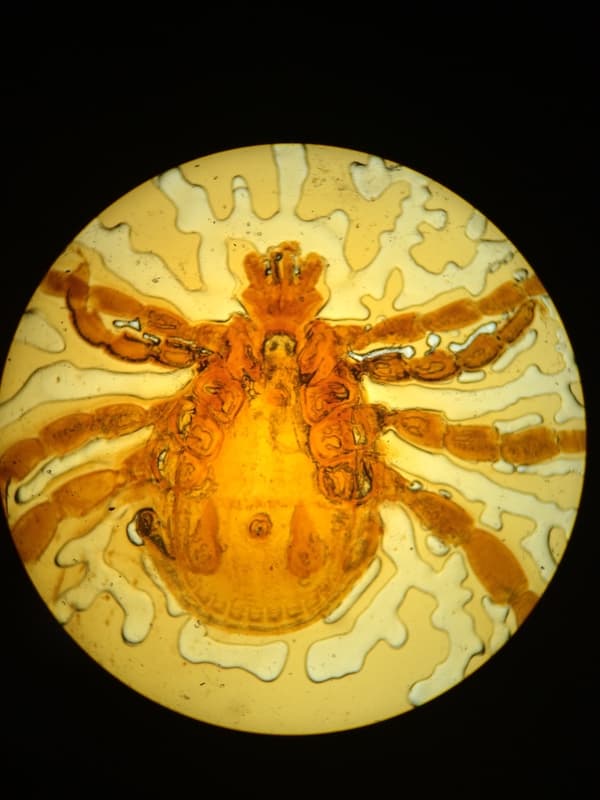
A microscopic parasite spent the early summer quietly hitching rides on fresh produce, and now it has turned up in at least 31 states. The bug is called Cyclospora, and the illness it causes, cyclosporiasis, comes with a symptom so memorable that health officials keep describing it in print as "explosive" diarrhea.
As of July 9, the CDC counted 843 confirmed cases tied to food eaten inside the U.S. State health departments are reporting far bigger numbers, with tallies climbing past 4,000 nationwide. To put that in perspective, all of 2025 saw roughly 2,700 cases. We blew past that before we even hit the middle of July.
The case count keeps climbing
The CDC's official number, 843 cases across 31 states, is almost certainly a lowball. The agency itself says it knows about more than 1,500 additional cases still being checked to confirm they were picked up inside the country. On top of that, plenty of people ride out the illness at home without ever getting tested, so they never show up in the count at all.
Here's what the confirmed cases tell us: 86 people had been hospitalized nationwide, and no one has died. The sick range in age from 5 to 88, with a median age of 44, and about 59% are women. The season for this thing runs May 1 through August 31, so the numbers probably aren't done moving.
Michigan is the epicenter
If you want to know where this is really landing, look at Michigan. The state reported 2,640 cases as of Monday morning, with 44 people hospitalized. Michigan normally sees about 40 to 50 cases in an entire year. This outbreak is running roughly 50 times that average, and it moved fast, jumping from 992 cases on July 8 to more than 1,500 just two days later.
The cases are packed into the southeast corner of the state, right up against northwest Ohio, which is dealing with its own mess. Ohio logged at least 361 cases since June 1, with 46 hospitalizations, and the Toledo-Lucas County health department reported 306 cases. Because the two hot zones sit right next to each other, investigators think they may be looking at one connected cluster.
It's not just Michigan and Ohio
The outbreak reaches well beyond the Great Lakes. New York has reported nearly 394 cases, and Illinois logged 141. Texas ranks among the states with high counts too, and the hardest-hit list also includes North Carolina. California confirmed a small number of cases, but officials there say none appear connected to the multistate outbreak.
The CDC is careful to note it's not yet clear whether every state's cases belong to the same event. Multiple states reported jumps over the past two weeks compared with the same stretch in 2025, and federal and state partners are chasing several outbreaks at once rather than one tidy nationwide source.
No one can figure out where it's coming from
Weeks into this, and officials still can't name a single grower, supplier, or product. The frustrating part is baked into how this parasite works. There's a long gap, sometimes several weeks, between the meal that made you sick and the moment your case gets confirmed and reported. By then, who honestly remembers the exact bag of greens they bought back in June? The source is still under investigation.
Michigan's team is trying anyway. Investigators are interviewing every confirmed case, now more than 2,600 people, asking each one to reconstruct what they ate weeks ago. They're also digging through digital and paper trails, including grocery and restaurant receipts, hunting for anything that overlaps. One thing they're not worried about: this parasite doesn't jump from person to person, so you can't catch it from a sick coworker.
A holiday-weekend scramble
Michigan's chief medical executive, Dr. Natasha Bagdasarian, said her team rushed to get guidance out to food handlers over the July 4 weekend as case reports piled up. Around the same time, some Metro Detroit Taco Bell locations posted notices that they had pulled lettuce, cilantro, onion, pico de gallo, and guacamole from the menu.
To be clear, no public health agency has named Taco Bell or any single ingredient as the confirmed source. A former director of a Michigan State food safety center laid out the range of possibilities, saying the contamination could trace back to a worker in a farm field, someone handling the food during processing, or tainted irrigation water. Right now, all of those are still on the table.
The parasite's favorite hiding spots
Even without a confirmed source this year, this bug has a rap sheet. Past U.S. outbreaks have been traced to fresh produce people eat raw, including raspberries, basil, cilantro, snow peas, green onions, mesclun lettuce, and bagged salad kits. All the stuff that never sees a stove.
The contamination usually happens long before the food reaches your kitchen. A microbiology specialist explained that Cyclospora needs time outside the human body to turn infectious, which means it's typically picked up somewhere in the agricultural supply chain, through contaminated irrigation water, produce washing, or environmental grime on the farm. Imported produce has been the culprit in several past outbreaks.
What "explosive" actually means here
The CDC isn't being cute with its wording. The hallmark symptom is watery diarrhea with frequent, sometimes explosive bowel movements. Add stomach cramps, loss of appetite, nausea, fatigue, and in some cases weight loss, and you've got a genuinely rough couple of weeks.
And it can drag. An infectious disease doctor at Michigan State said a Cyclospora infection can last up to six weeks, and it has a nasty habit of seeming to clear up right before flaring back. That's part of why this one wears people down more than your average 24-hour stomach bug.
Why your doctor might miss it
This is the sneaky part. A routine stool test or a standard stomach-bug panel often won't catch Cyclospora at all. A doctor has to specifically suspect it and order a special test, like modified acid-fast staining or a PCR, or the parasite slips right through.
It's also a moving target inside your body. The parasite sheds into stool on and off, not steadily, so a single test can come back clean even when you're infected. Some people need more than one. There's a paperwork wrinkle too: in 2025 the CDC made state reporting of Cyclospora optional, which some experts think is muddying this year's numbers.
What officials say to do about it
Here's the reassuring bit buried in all this: food safety experts say there's no reason to swear off fresh fruits and vegetables. Nobody is telling you to skip the salad. The advice is all about how you handle what you bring home.
A food safety expert put it simply: don't just rinse your firm produce, scrub it with a vegetable brush. Think melons and cucumbers. Officials also suggest washing everything under running water (skip the dish soap), peeling produce when you can, and reaching for a whole head of lettuce instead of the pre-shredded bagged stuff. Cooking is the only sure kill switch, since heating food to 158 degrees Fahrenheit finishes the parasite off.
If you do get hit and you're dealing with severe diarrhea or signs of dehydration, that's the moment to call a doctor. Cyclosporiasis is usually treated with antibiotics, and while a lot of healthy people recover on their own, the medication can shorten the misery. The one takeaway worth holding onto: don't assume every summer stomach ache is nothing. This year, it might be worth a closer look.
Most read
This week

World
Police Clear Crowd Blocking Harry and Meghan's Car in Nottingham

Crime
Police Arrest Four in Shooting of 49ers' Keion White

Crime
Armed Bystander Kills Teen Gunman After 4 Die at Oregon School

Crime
Jammed Rifle Stopped Aurora Temple Attack, Prosecutors Say

Politics
Trump Administration Seeks to Strip Ilhan Omar of Citizenship